

Rebuilding The
Heart Of The Mini
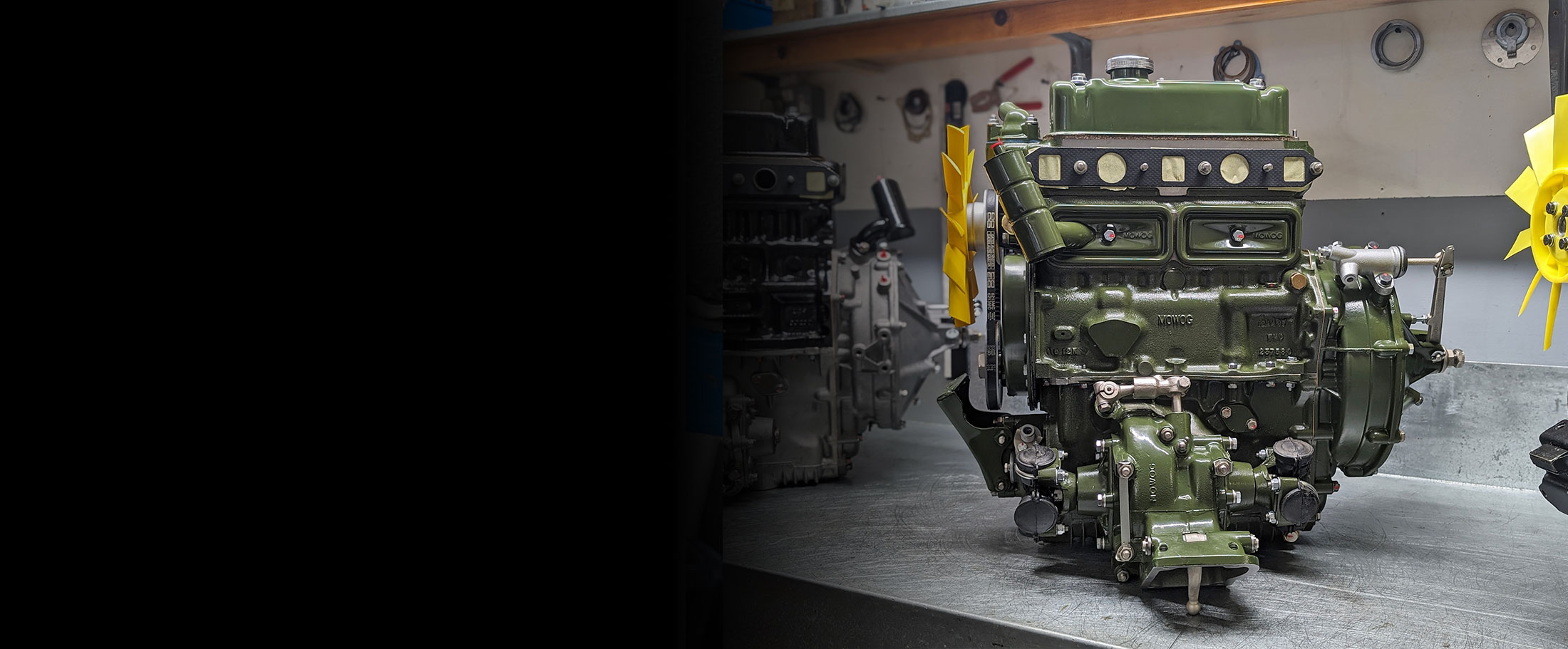
From 998cc and 1098cc road engines to 1275cc, Cooper S and complete performance builds, Mini Sport remanufactures A-Series engines using specialist machinery, experienced technicians and a proven hands-on process.
When The Engine Needs More Than A Repair
An A-Series can cover an enormous amount of ground over its lifetime. But eventually wear, age, previous repairs and decades of use can reach the point where replacing one failed component is no longer the complete answer.
This is where engine remanufacturing becomes important.
A Mini Sport remanufactured engine is not simply an old engine cleaned, painted and put back together.
The engine is completely stripped. Major components are cleaned, inspected and measured. Worn or damaged parts are rejected. The block, crankshaft, conrods, cylinder head and other reusable components are then machined or reconditioned as required before the engine is carefully assembled again using new components.
The aim is straightforward:
restore the engine around manufacturers tolerances and a known specification so that it can return to reliable service.
The Idea
Remanufacturing is about restoring the complete engine as a system. Cleaning, inspection, measurement, machining, new components and experienced assembly all matter because the reliability of the finished engine depends on how well every part works together.
More Than Replacing Worn Parts
The value of remanufacturing is not simply the number of new parts fitted. It is the process used to decide what can be reused, what must be machined and what must be replaced.
Every major engine component has a job to do within a defined mechanical relationship.
Cylinder bores need the correct size, shape and surface finish. Crankshaft journals need to run within tolerance. Conrods need to be straight, correctly sized and balanced. Bearing clearances matter. Gasket faces need to seal properly. Oil galleries and coolant galleries must be clean.
These are the details that separate a proper remanufacturing process from simply replacing whichever component failed first.
Mini Sport's process therefore starts with stripping and inspection before the final engine specification is assembled.
- Components are thoroughly cleaned before assessment.
- Wear and damage are inspected rather than assumed.
- Critical components are measured for size and condition.
- Machining is carried out using dedicated engine-reconditioning equipment.
- Worn or unsuitable components are replaced.
- Final assembly is completed by experienced Mini Sport engine technicians.
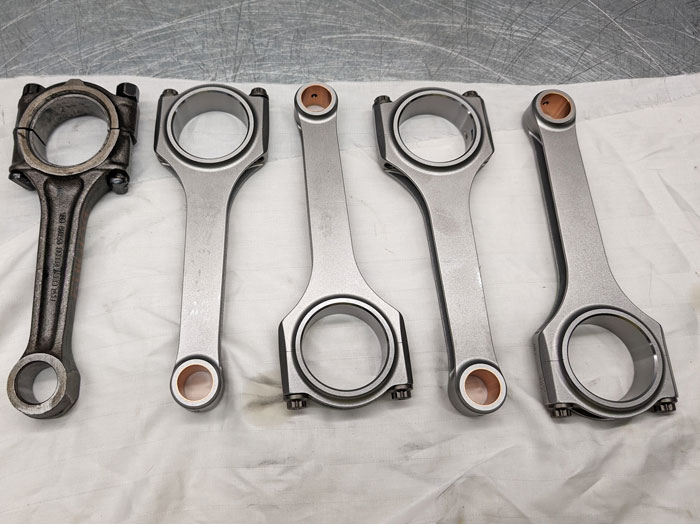
Mini Sport Engine Plant: Components are cleaned, inspected and measured before any decision is made about machining, reuse or replacement.
Why Measurement Matters
Wear is not always obvious to the eye. Bore taper, ovality, crankshaft-journal condition, bearing housing size and component alignment all need to be checked properly before the engine is rebuilt.
Repair, Rebuild Or Remanufacture?
These terms are often used interchangeably, but they can describe very different levels of work.
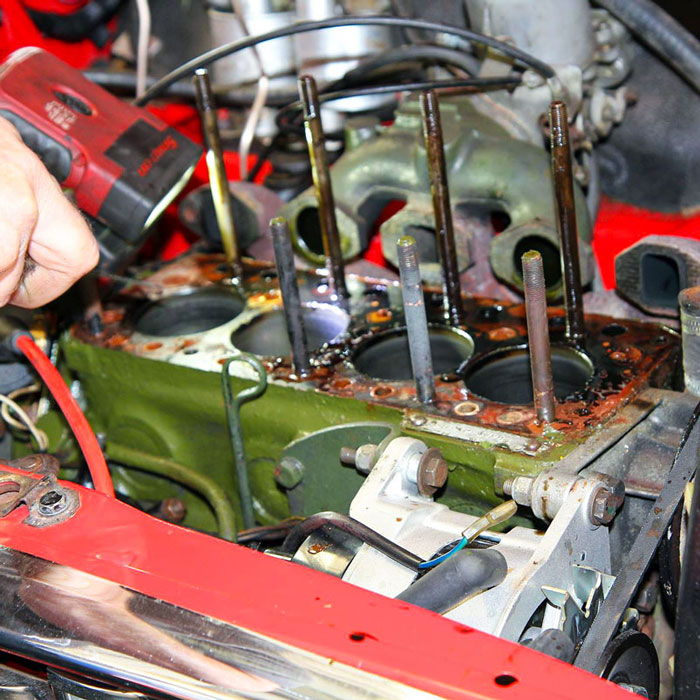
Fix A Specific Fault
A repair normally addresses a particular failed or worn component. This can be entirely appropriate where the rest of the engine remains in good condition.
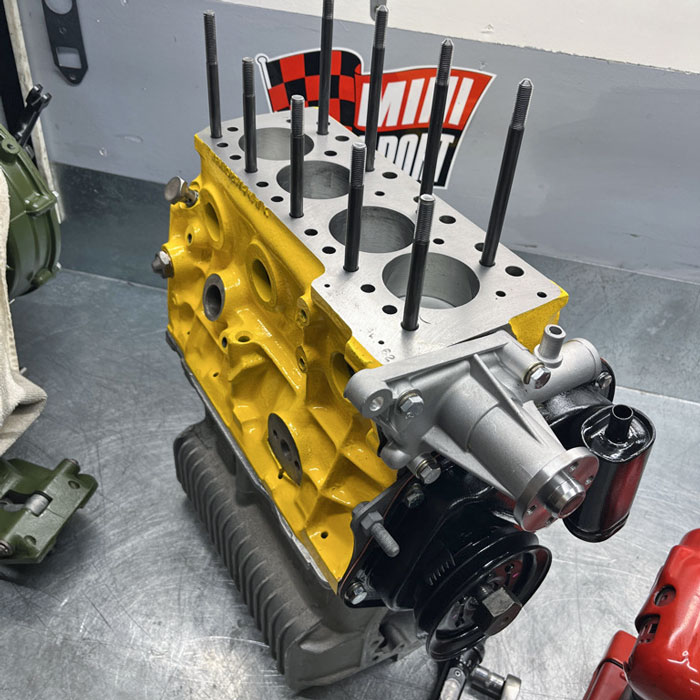
Strip And Reassemble
A rebuild usually involves more extensive dismantling and replacement of worn parts, but the exact amount of inspection and machining can vary considerably depending on who carries out the work.
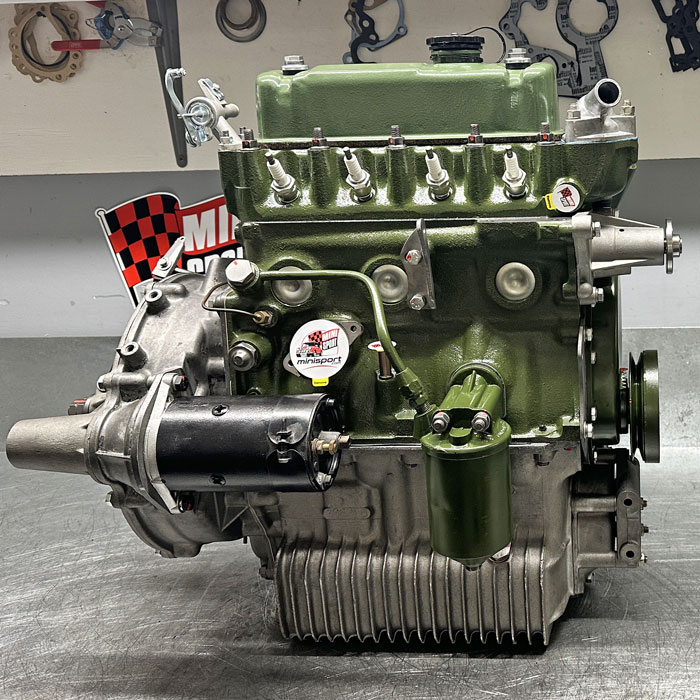
Restore The Complete Engine
Mini Sport remanufacturing combines stripping, cleaning, inspection, measurement, specialist machining, replacement of worn components and experienced final assembly around a defined engine specification.
The Process Is What Matters
The word on the label matters less than the work behind it. Ask how the block is inspected, how the crankshaft is checked, what machining is carried out, what parts are renewed and who assembles the finished engine.
Preserve The Engine. Restore The Confidence.
For many Classic Minis, the original A-Series power unit is part of the character and history of the car. Remanufacturing allows that mechanical foundation to be restored rather than simply discarded.
A tired engine can gradually lose the qualities that make a healthy Mini enjoyable.
Oil pressure can deteriorate. Compression can fall. Oil consumption can increase. Bearings, bores, valve gear and other components can accumulate wear. What begins as a small symptom can eventually become a much larger mechanical problem.
Remanufacturing provides the opportunity to address the engine as a complete unit.
It also gives the owner a decision point.
The engine can be restored close to its original road specification, or the build can become the starting point for a carefully chosen performance specification.
- Restore reliability.
- Address accumulated internal wear.
- Retain important original engine components where appropriate.
- Create a known foundation for future maintenance.
- Choose standard or performance specification during the build.
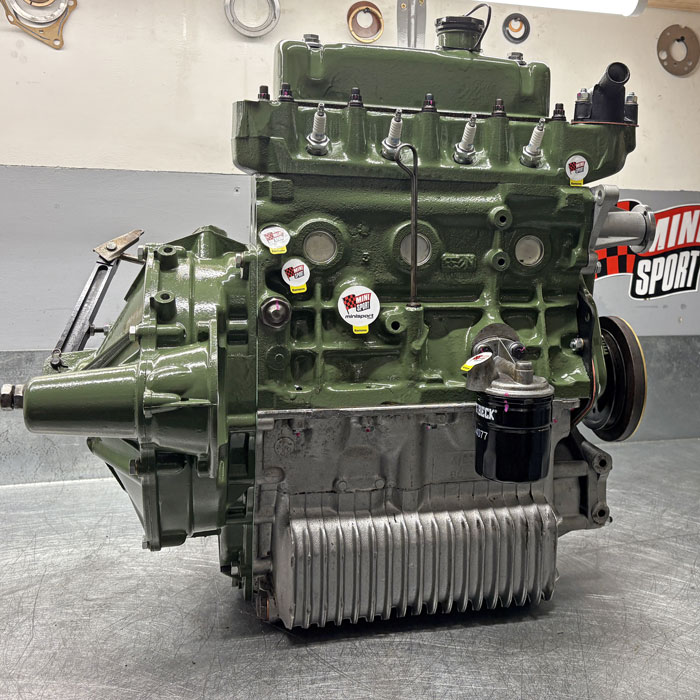
Mini Sport Remanufactured Engines
Restored using a structured engine-remanufacturing process, with specialist machining, new wear components and final assembly carried out in the Mini Sport Engine Plant.
Explore Remanufactured EnginesStandard Or Performance?
Once an engine is being remanufactured, it is the ideal time to decide what you actually want from the finished Mini. Some owners want faithful road manners and long-term reliability. Others use the opportunity to move into a larger-capacity or higher-performance specification. The correct choice should be made before the engine is assembled.
Which A-Series Are You Starting With?
Mini Sport supports a wide range of A-Series and A+ engine applications, but the correct remanufactured unit depends on the engine actually fitted to the car.
Classic Minis have often been modified or had complete power units changed during their lives, so always confirm the engine specification rather than relying only on the registration year or badge on the boot.
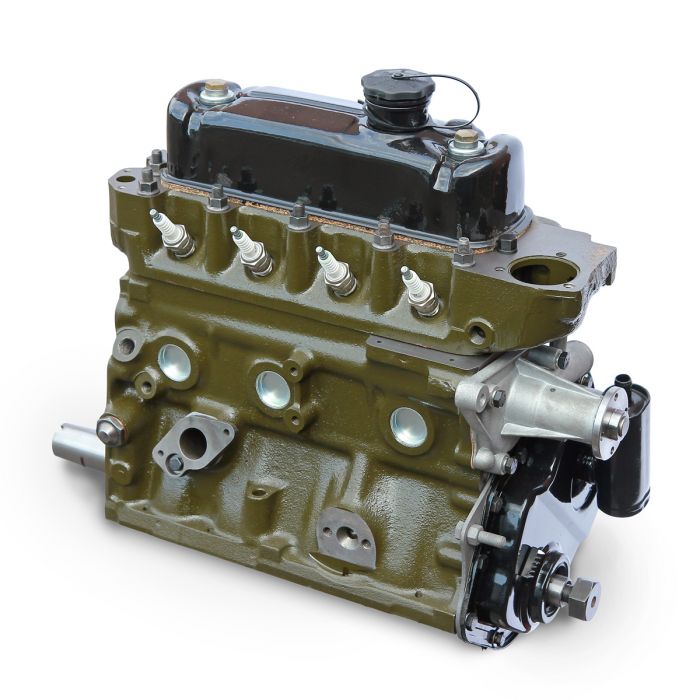
998cc Engines
One of the most familiar Classic Mini engine capacities. Remanufacturing provides a route to retain the light, eager character of the smaller A-Series while restoring the mechanical condition of the unit.
Explore 998cc Engines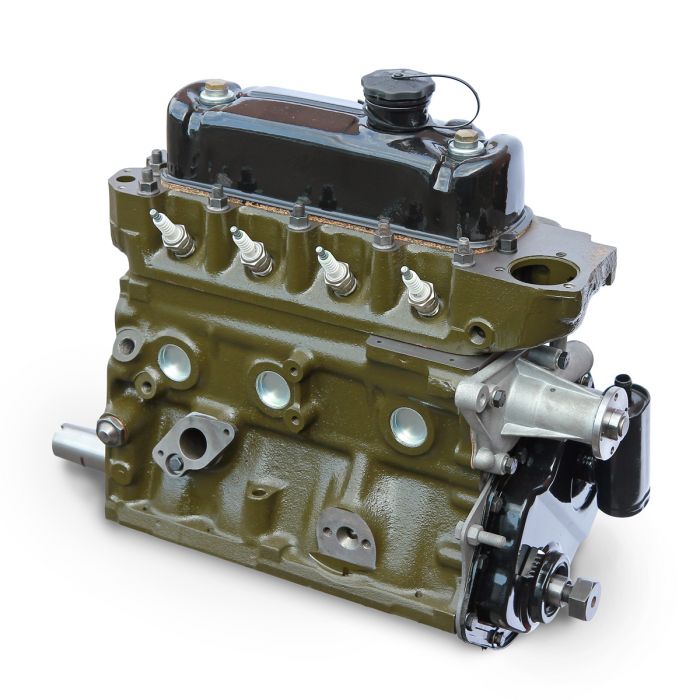
1098cc Engines
The 1098cc A-Series offers a useful increase in capacity while retaining the character of the smaller-bore Mini engine family.
Explore 1098cc Engines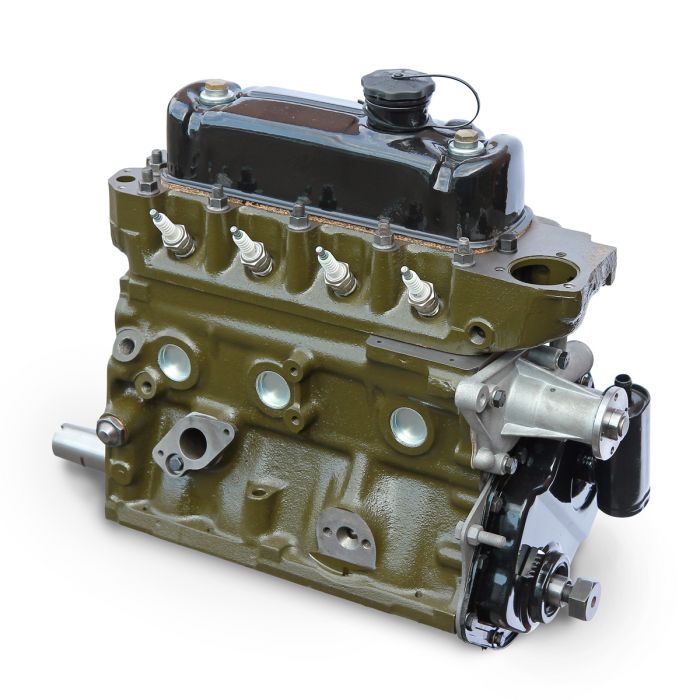
1275cc Engines
The 1275cc A-Series provides the foundation for many later road, Cooper and performance Minis, with carburettor, SPi and MPi applications requiring the correct matching specification.
Explore 1275cc Engines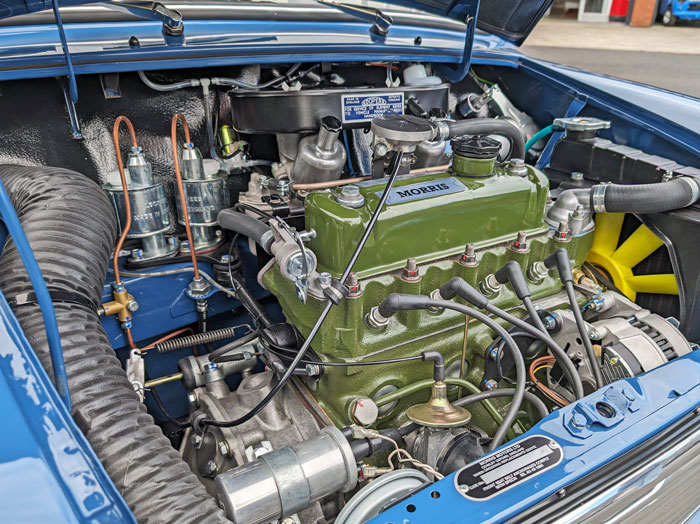
Cooper S Engines
Rare 970cc, 1071cc and 1275cc Cooper S engines deserve specialist attention. In many cases the original unit is required so that its important core components can be inspected and remanufactured.
Explore Cooper S Engines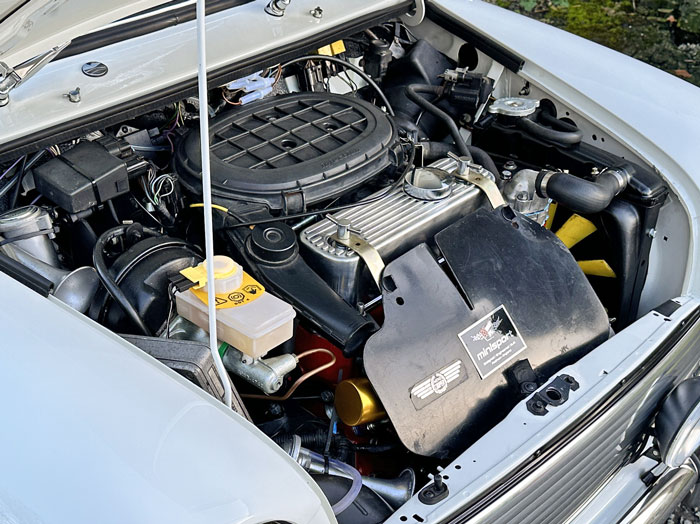
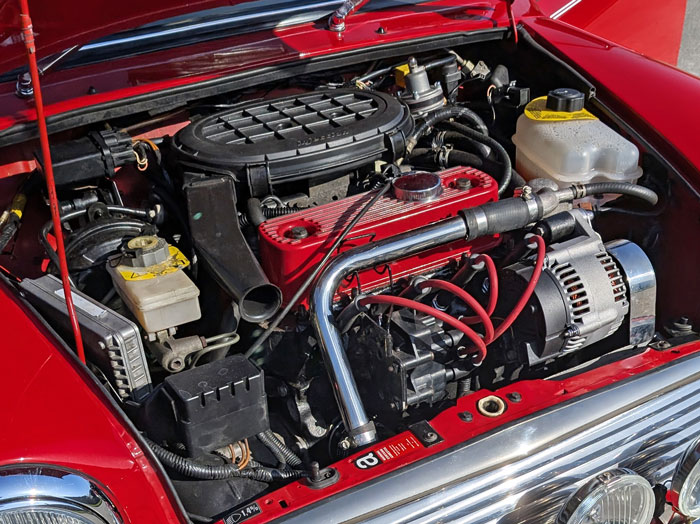
1275cc SPi
Later Single Point Injection Minis use their own engine specification and supporting components, so the replacement unit needs to be matched to the injection car rather than treated as a generic 1275.
1275cc MPi
The final production Classic Minis use the later MPi engine specification, so correct application and compatibility should be confirmed before selecting the replacement power unit.
Not Sure Which Engine You Have?
If the Mini has an unknown history, replacement engine or previous conversion, contact Mini Sport before ordering. Engine numbers, photographs and details of the carburettor or injection system can help identify the correct starting point.
Traditional Engine Reconditioning. Specialist Machinery. Experienced Hands.
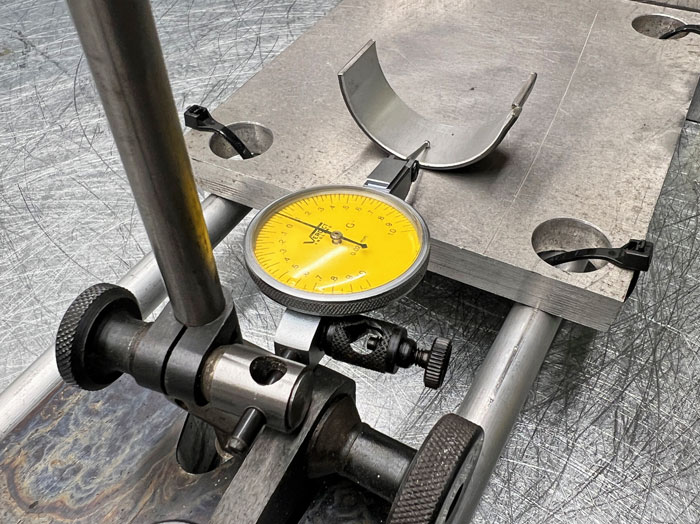
Mini Sport engine remanufacturing is carried out in our dedicated Engine Plant using specialist machinery for the individual processes involved in restoring the A-Series.
Engine reconditioning is a hands-on engineering discipline.
The block needs to be bored and honed correctly. The crankshaft needs to be inspected, measured and machined where required. Conrods need to be checked and balanced. Cylinder heads need valve-guide, seat and surface work carried out accurately.
Each of these operations requires the correct specialist machine, but just as importantly, it requires an experienced technician who understands what the measurements mean and what the component needs next.
That combination of dedicated engine-reconditioning equipment and practical A-Series experience is at the heart of the Mini Sport process.
Built By People Who Know The A-Series
Specialist machinery provides the accuracy, but the process still relies on experienced technicians inspecting, measuring, machining and assembling each engine correctly. That practical knowledge is what turns the individual operations into a dependable finished power unit.
The Remanufacturing Process
A dependable remanufactured engine starts long before final assembly. Every major component has to be stripped, cleaned, inspected, measured and prepared before it can become part of the finished engine.
This is why remanufacturing cannot be reduced to a list of new parts.
The condition of the original block, crankshaft, conrods, camshaft, cylinder head and rocker gear all need to be established first. Only then can the correct machining, replacement and assembly decisions be made.
Mini Sport carries out these processes in the dedicated Engine Plant using specialist engine-reconditioning machinery and experienced technicians who understand the A-Series.
From Old Engine To Known Specification
The objective is not simply to make an old engine look new. The objective is to restore the important components around known measurements, correct surface finishes, suitable replacement parts and careful final assembly.
Nine Key Stages
Each stage prepares the engine for the next. Skipping inspection or machining simply passes an unknown problem further into the rebuild.
Dismantle
The engine is completely stripped and old gaskets, oil seals, bearings, pistons and other wear components are removed.
Clean
Major reusable components go through intensive cleaning to remove oil, carbon, debris and contamination before inspection.
Inspect & Measure
Components are checked for wear, cracks, damage, size, ovality, taper and alignment before reuse is considered.
Machine The Block
The block is rebored, honed and refaced as required before new cam bearings, core plugs and oil-gallery plugs are fitted.
Restore The Crankshaft
The crankshaft is crack tested, reground where required, polished, cleaned and dynamically balanced.
Check The Conrods
Conrods are measured, checked for alignment, matched into suitable engine sets and balanced.
Camshaft & Rocker Gear
The camshaft is checked for wear and straightness, while the rocker assembly is stripped, inspected and rebuilt as required.
Remanufacture The Head
The cylinder head is cleaned, inspected, machined, fitted with renewed valve-guide and seating components where required, then assembled.
Final Assembly
Once all machining and inspection stages are complete, the engine is assembled using new components and the correct assembly procedures.
Strip It. Clean It. Then Find Out What You Really Have.
Proper inspection is only possible once the engine has been dismantled and the components are clean enough to assess accurately.
Complete Dismantling
Every engine begins by being stripped down so that the condition of the major components can be assessed individually.
Old gaskets, seals, bearings, pistons and other consumable or wear components are removed rather than simply reused as part of the rebuild.
Intensive Cleaning
Mini Sport's historic process documentation describes chemical cleaning, high-pressure washing, abrasive cleaning and final rinsing to remove contamination and debris from components before inspection.
Inspection & Measurement
Once clean, the reusable parts are checked for wear, stress cracks and damage. Measurements are taken for size, ovality, taper and alignment.
Components that do not meet the required condition or tolerance are rejected rather than automatically reused.
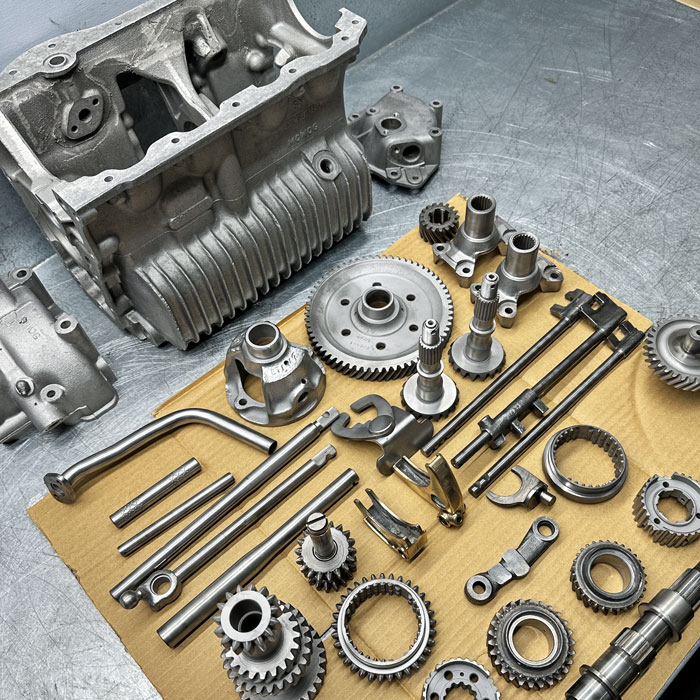
Inspection before machining: the condition of the original components determines what happens next.
Clean Parts Reveal The Real Condition
Carbon, old oil and surface contamination can hide wear and damage. Cleaning is not cosmetic; it is necessary so that the component can be inspected and measured properly.
Cylinder Block Remanufacturing
The cylinder block forms the foundation of the engine, so bore condition, deck surface, threads, oil passages and bearing locations all need to be correct before assembly begins.
Bolt and stud threads are cleaned and damaged threads are repaired where required.
The cylinders are rebored to the required size and then honed to produce the essential cross-hatch surface finish.
That honed finish is important because it provides the correct surface for the piston rings to bed against and retain the oil film they need to operate.
The gasket faces are also machined to restore the required flatness and surface finish.
Once the machining work is complete, the block can receive new cam bearings, core plugs and oil-gallery plugs before preparation for final assembly.
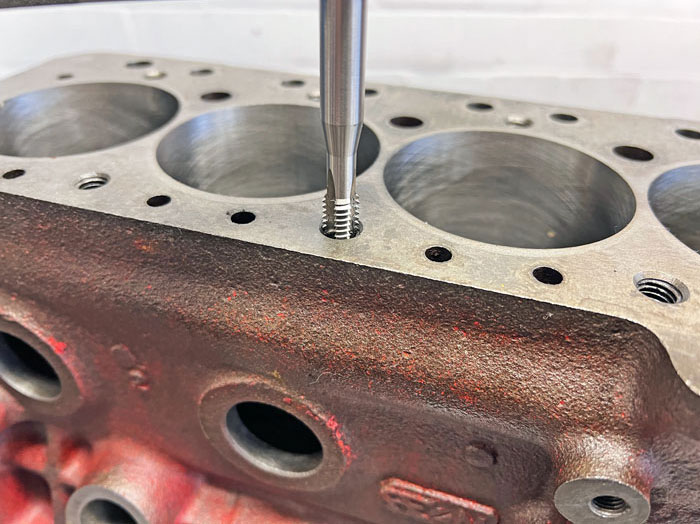
Bore, Hone & Reface
Precision block preparation restores the foundation for the new pistons, rings, bearings and gasket surfaces used in the completed engine.
Why The Cross-Hatch Finish Matters
A freshly machined bore is not left with a smooth polished finish. Honing creates the controlled cross-hatch surface needed for piston-ring bedding and oil retention during operation.
Crankshaft Remanufacturing
The crankshaft is one of the hardest-working components in the engine, converting combustion force into the rotation that ultimately drives the Mini.
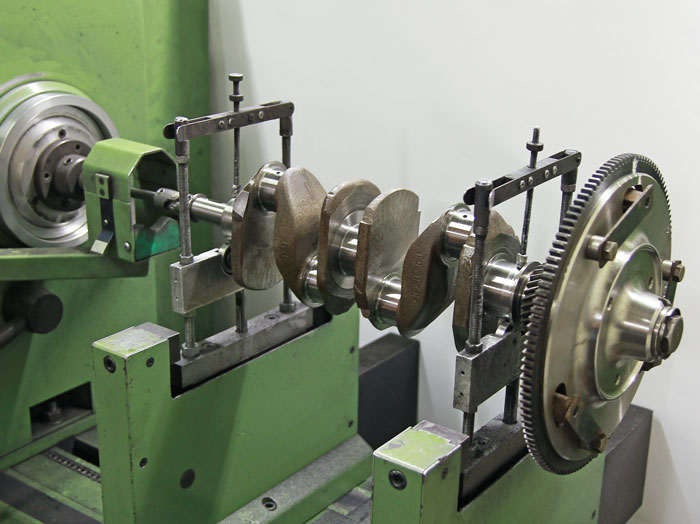
Checked Before It Goes Back In
Crankshaft preparation combines inspection, machining, measurement, cleaning and balancing rather than simply fitting new bearings around an unknown journal surface.
Mini Sport's documented process includes crack testing the crankshaft before the journals are reground to the required undersize where necessary.
The journal surfaces are then micro-finished and polished to the required tolerance.
Once machining is complete, the surfaces are measured again, the oil galleries are deburred and thoroughly cleaned, and the crankshaft is dynamically balanced.
Why This Matters
- Correct journal dimensions support bearing clearance.
- Clean oilways protect the fresh bearings.
- Surface finish influences bearing life.
- Dynamic balancing supports smoother engine operation.
New Bearings Need A Correct Crankshaft
Simply fitting new bearing shells cannot correct worn or damaged crankshaft journals. The condition and dimensions of the crankshaft itself have to be established first.
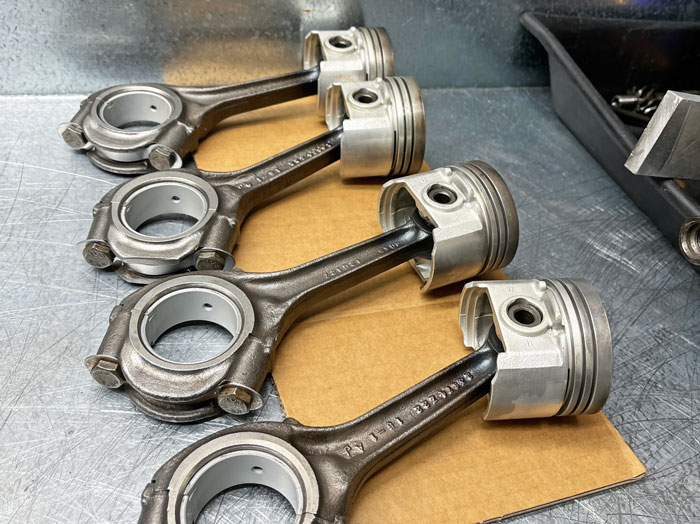
Conrod Inspection & Balancing
The connecting rods transfer the forces between the pistons and crankshaft, so their size, alignment and consistency matter throughout the engine.
Conrod bearing housings are measured for size, ovality and taper.
The rods are checked for alignment and any item that does not meet the required standard is rejected.
Suitable rods are then grouped into matched engine sets and balanced before being returned to the engine.
This reduces variation between the reciprocating components and supports smoother operation.
Camshaft & Rocker Gear
The valve train controls how the engine breathes, so worn camshaft or rocker components should not simply be carried over into an otherwise fresh engine.
Camshaft
The Mini Sport process historically included checking the camshaft for straightness and wear and restoring the profile to the required timing and lift specification where appropriate.
On standard remanufactured engines the aim is to restore the correct operating specification.
On performance engines, camshaft choice becomes part of the complete engine specification and should be matched to the cylinder head, compression ratio, induction and intended use.
Rocker Assembly
The rocker assembly is stripped, cleaned and checked, with components machined or renewed where necessary before being rebuilt.
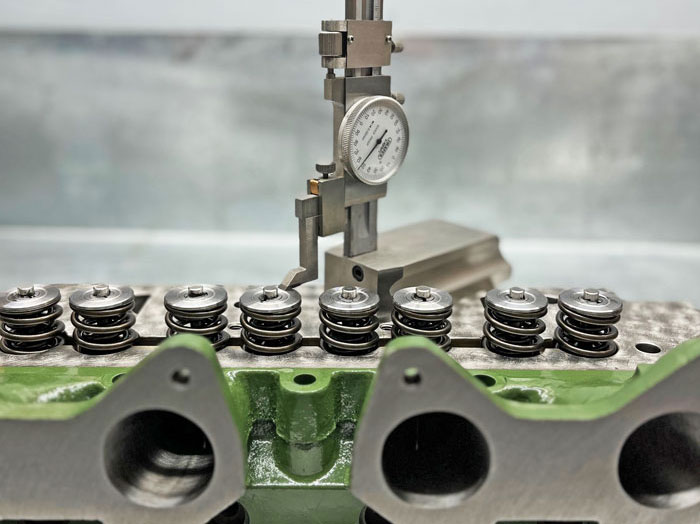
Restore The Valve Train
Standard remanufacturing restores the components around the intended engine specification; performance upgrades should be chosen separately and deliberately.
Cylinder Head Remanufacturing
The cylinder head has to seal combustion, control the valves and move gases in and out of the engine, making its condition critical to both reliability and performance.
Cylinder heads are cleaned separately to remove old carbon deposits before the valve gear and sealing surfaces are assessed.
Mini Sport's documented remanufacturing process includes renewal of valve guides, recutting or replacement of valve seats where required, and inspection of valves for damage and wear.
The relevant faces are then machined to restore the correct sealing surface before the head is prepared for assembly.
The finished cylinder head is assembled with the appropriate valve springs, top caps, collets and valve-stem oil seals, ready for installation.
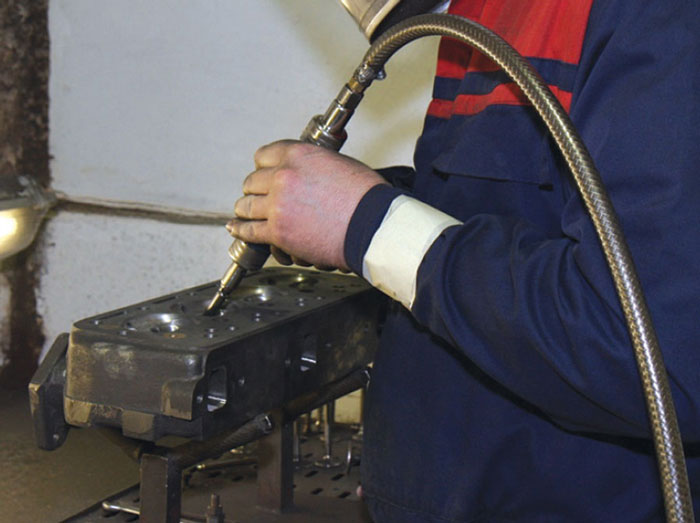
Renew, Machine, Assemble
Valve guides, seats, valves, sealing surfaces and valve-train components all form part of returning the head to serviceable condition.
Cylinder Head Or Complete Engine?
Not every engine problem requires a complete power-unit remanufacture. If the bottom end remains healthy and the problem is confined to the cylinder head, a remanufactured head may be the more appropriate repair. Correct diagnosis should come before deciding how much of the engine needs attention.
Final Assembly
Only once the machining, cleaning, inspection and component checks are complete does the engine move into final assembly.
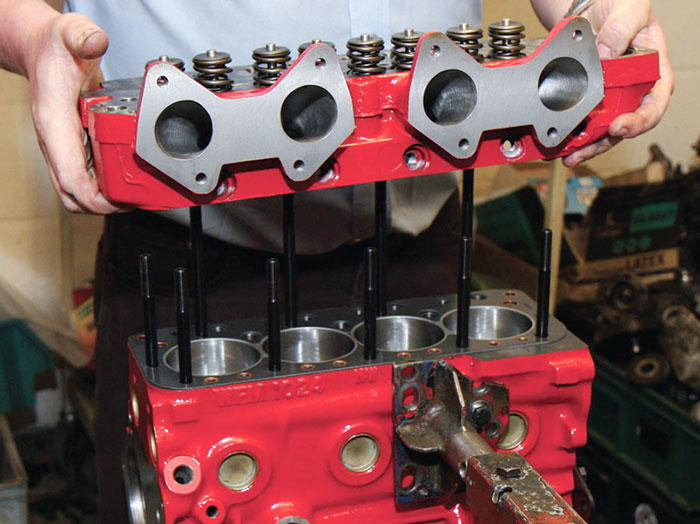
Built By Experienced Technicians
Final assembly brings the remanufactured components and new wear parts together into one complete power unit.
Mini Sport's documented process specifies the use of new pistons and rings, crankshaft bearings, thrust washers, timing-chain components, oil pump, pressure-release components, gaskets, oil seals and oil filter during final assembly.
The exact component specification depends on the engine being built, but the underlying principle remains the same:
known parts, known measurements and careful assembly.
All components are checked again before assembly to ensure contamination from the machining process has been removed.
Fasteners are then tightened using the relevant workshop torque specifications as the engine is assembled.
Typical New Wear Components Include
- Pistons and piston rings.
- Crankshaft bearing shells.
- Thrust washers.
- Timing chain and tensioner where applicable.
- Oil pump.
- Pressure-release valve and spring.
- Gaskets and oil seals.
- Oil filter.
Quality Is Built Into Every Previous Stage
Final assembly cannot correct poor machining or missed inspection work. The reliability of the completed engine depends on the quality of every step that came before it.
What Happens To The Original Components?
Remanufacturing preserves suitable original core components wherever they can be restored correctly, while replacing the wear parts that should not simply be returned to service.
| Component | Typical Remanufacturing Approach |
|---|---|
| Cylinder block | Cleaned, inspected, measured, rebored and honed where required, gasket faces machined and serviceable core retained. |
| Crankshaft | Crack tested, measured, reground where required, polished, cleaned and balanced if suitable for reuse. |
| Connecting rods | Checked for size and alignment, matched and balanced where serviceable. |
| Cylinder head | Cleaned, inspected and machined; guides, seats, valves and related parts renewed or restored as required. |
| Bearings, seals and gaskets | Replaced as part of the engine assembly process. |
| Pistons and rings | New pistons and rings fitted to suit the finished bore specification. |
| Oil pump | Renewed during engine assembly. |
Original Does Not Automatically Mean Reusable
Preserving original components is valuable only when they remain suitable for safe and reliable service. Inspection and measurement determine whether a part is remanufactured, machined or replaced.
The Engine And Gearbox Share The Same Oil
On a Classic Mini, the engine and gearbox are closely linked in a way that is very different from most cars: both assemblies share the same lubricant.
That shared-oil arrangement is part of the Mini's compact transverse power-unit design, but it also means the condition of the engine and gearbox should not always be considered independently.
If an engine has reached the point where it requires full remanufacturing, the gearbox may have accumulated similar mileage, wear and contamination.
Fitting a freshly remanufactured engine onto a badly worn gearbox therefore deserves careful consideration.
Mini Sport has historically addressed this by offering complete engine-and-gearbox units, combining a remanufactured engine with a remanufactured gearbox and new clutch assembly.
The aim is not to replace the gearbox unnecessarily. It is to avoid rebuilding one half of the power unit while ignoring the condition of the other.
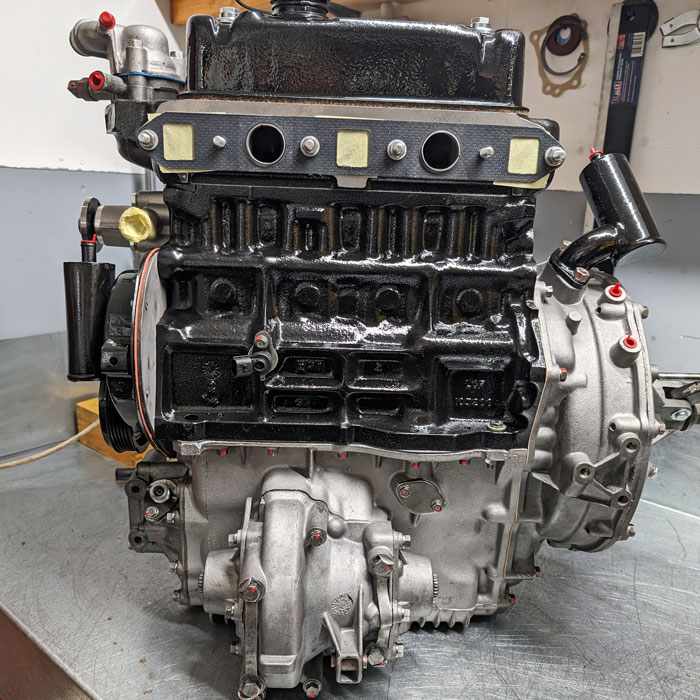
Why The Gearbox Condition Matters
A newly remanufactured engine should not automatically be paired with an unknown or heavily worn gearbox. If the existing gearbox has significant wear, contamination or damage, dealing with both assemblies together can provide a much stronger foundation for long-term reliability.
Remanufactured Engine & Gearbox Assemblies
For owners who want to address the complete drivetrain in one step, Mini Sport offers fully assembled power units combining a remanufactured engine, remanufactured gearbox and new clutch assembly.
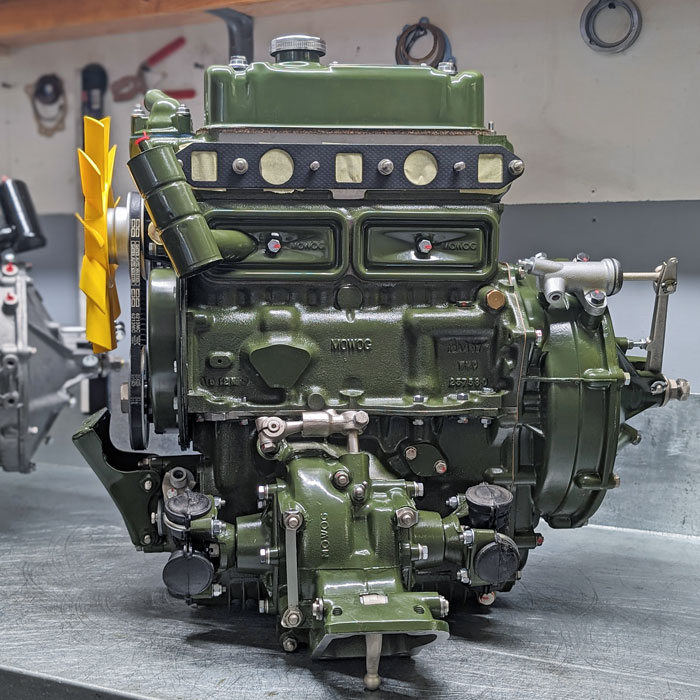
Engine, Gearbox & Clutch
A complete solution for owners who want both major parts of the Mini power unit remanufactured and assembled together before installation.
Explore Remanufactured UnitsWhy Choose A Complete Unit?
A complete engine-and-gearbox assembly removes a major unknown from the rebuild.
Instead of installing a fresh engine onto an old transmission of uncertain condition, both assemblies can be inspected, remanufactured and brought together as one finished power unit.
This can be particularly useful where:
- The original engine and gearbox have similar high mileage.
- The gearbox is noisy, worn or difficult to select cleanly.
- Metallic debris or contamination has been found in the shared oil.
- The complete drivetrain is already out of the car.
- The owner wants one known mechanical starting point.
The correct route still depends on the condition of the existing gearbox, so inspection should come before assuming a full transmission remanufacture is necessary.
Rebuilding The Transmission Around The Same Principle
The gearbox follows the same basic remanufacturing philosophy as the engine: dismantle, clean, inspect, reject worn parts and rebuild around serviceable components and new wear items.
Mini Sport's documented gearbox process begins with complete dismantling and thorough cleaning.
Each component is then inspected for wear and damage, with non-conforming parts discarded and replaced.
Historical Mini Sport specifications describe reassembly using new bearings, shafts and baulk rings, with the differential also overhauled using renewed pins, pinions and bearings as required.
The exact gearbox specification depends on the application, but the principle remains the same:
do not simply put worn components back into a clean casing.
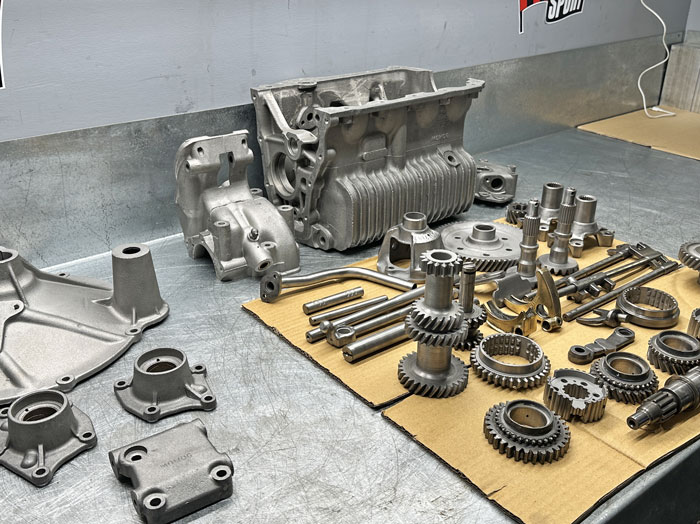
Remanufactured Mini Gearboxes
Available across a range of remote, rod-change, A-Series and A+ applications, with rare early units often requiring the customer's original gearbox for remanufacture.
Gearbox Wear Is Not Always Obvious From Outside
Selection quality, bearing noise, synchro performance, differential wear and internal contamination all help build a picture of gearbox condition. If the power unit is already removed, this is the right time to assess whether the transmission also needs attention.
Sometimes The Cylinder Head Is The Right Repair
Not every worn Mini engine needs a complete remanufactured power unit. If the bottom end remains healthy, a remanufactured cylinder head may be the more appropriate solution.
Valve guides, valve seats, valves, stem seals and sealing faces all wear over time.
A cylinder-head problem can contribute to poor compression, oil consumption, smoke, valve sealing issues and reduced performance without necessarily meaning that the crankshaft, bores and bottom end also require complete remanufacturing.
Mini Sport's cylinder-head process includes cleaning, guide renewal, valve and seat work, surface machining and final assembly using the correct valve-train components for the specification.
Remanufactured heads are available for a range of Mini applications, including smaller-capacity engines, 1275 carburettor, SPi and MPi.
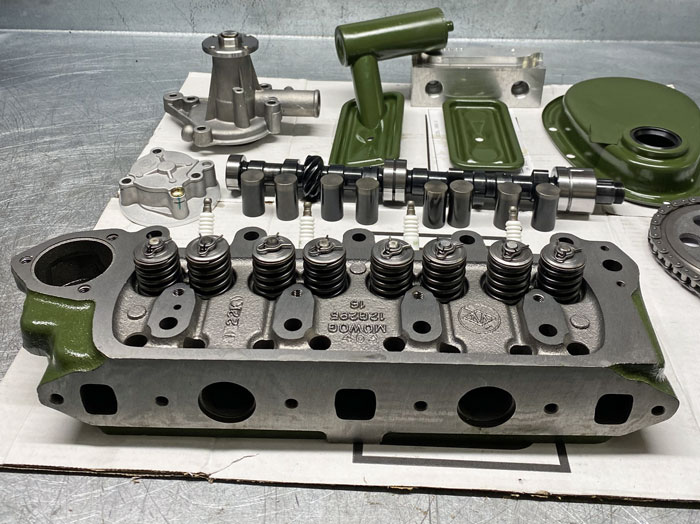
Remanufactured Heads
A targeted route when the cylinder head requires restoration but the rest of the engine remains suitable for continued service.
Explore Cylinder HeadsDiagnose Before You Decide
A cylinder-head replacement will not cure worn bores, poor oil pressure or crankshaft and bearing problems. Equally, a healthy bottom end does not always justify a complete engine remanufacture when the fault is confined to the head. The correct repair begins with understanding where the wear actually is.
Cylinder Head, Engine Or Complete Power Unit?
The correct level of work depends on what is actually worn and what you want from the finished Mini.
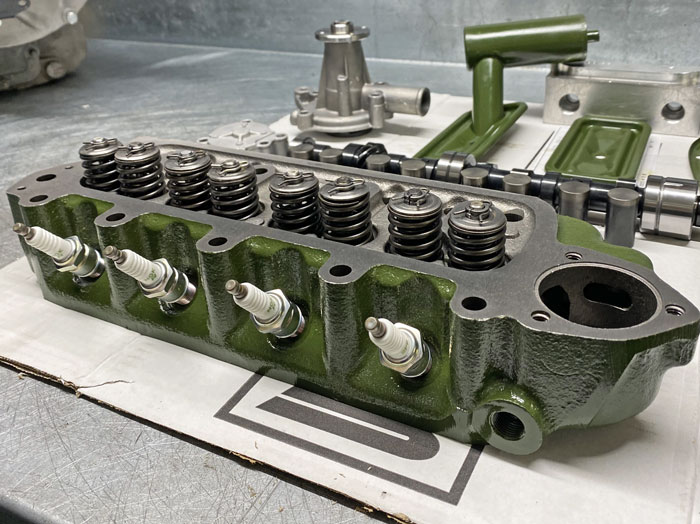
Head Remanufacture
Best suited where valve guides, seats, valves or head sealing are the main issue and the bottom end remains in good condition.
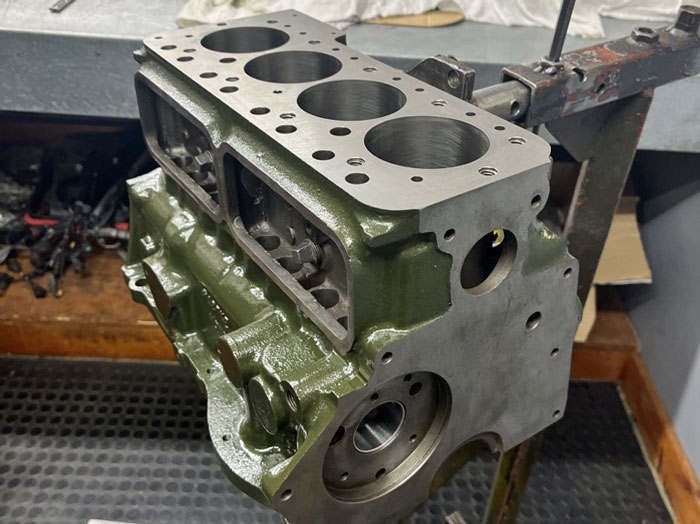
Engine Remanufacture
The natural route when bore, crankshaft, bearing, piston or broader engine wear means the complete unit needs to be restored.
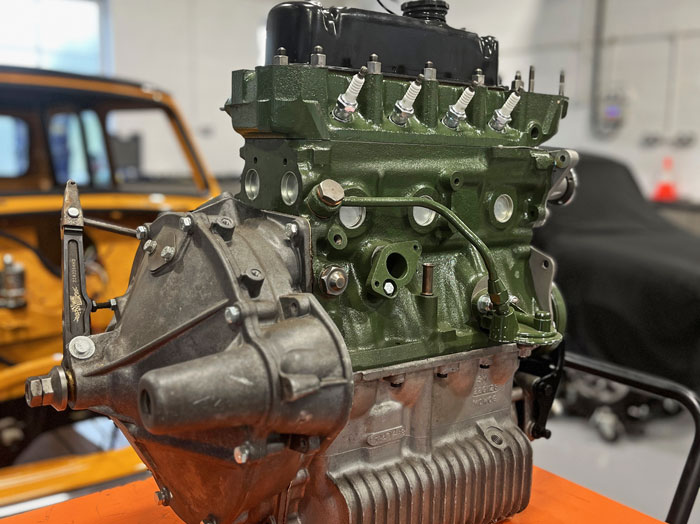
Engine & Gearbox
The most comprehensive route when both sides of the shared-oil power unit require attention and the owner wants one known mechanical foundation.
Why Do Remanufactured Parts Have A Surcharge?
Remanufacturing depends on serviceable original components returning into the system so that blocks, crankshafts, gearboxes and cylinder heads can be restored for future Mini owners.
Many Mini Sport remanufactured engines, gearboxes and cylinder heads are supplied on an exchange basis.
A surcharge is applied until a suitable old unit is returned.
That old unit is not simply scrap.
It becomes the next potential core that can be stripped, inspected, measured and remanufactured if its major components remain serviceable.
This is especially important for Classic Mini components because many original castings and assemblies are no longer being manufactured in unlimited quantities.
How The Exchange System Helps
- Keeps serviceable original components in circulation.
- Supports future availability of Mini engines and gearboxes.
- Reduces unnecessary disposal of recoverable castings and assemblies.
- Allows suitable original cores to be professionally restored rather than discarded.
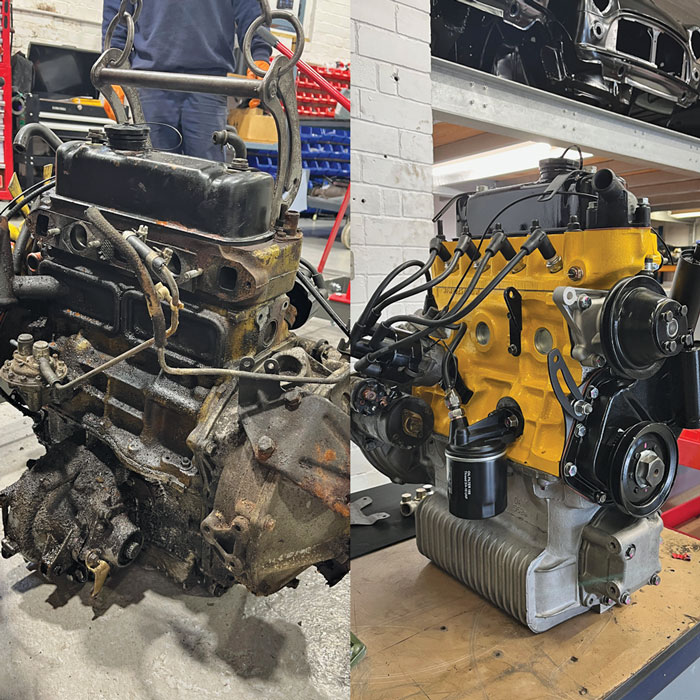
A Surcharge Is Not An Extra Charge If A Suitable Core Is Returned
The surcharge protects the supply of serviceable exchange units. Once an acceptable old unit is returned in accordance with the current Mini Sport exchange terms, the surcharge can be handled as applicable to that product.
Preserving Rare Original Engines
With rare Cooper S engines, remanufacturing is about more than supplying another power unit. It can be about retaining an important part of the car's identity and history.
Original 970cc, 1071cc and 1275cc Cooper S engines are increasingly important components in their own right.
Suitable exchange cores are limited, which is why Mini Sport's historical range identifies a number of Cooper and Cooper S applications where the owner's own unit is required for remanufacture.
In those cases, the process begins with the original engine.
The block, crankshaft, conrods, cylinder head and other key components are assessed individually so that as much suitable original material as possible can remain with the engine while worn parts are professionally restored or renewed.
That gives the owner a route to preserve an important original power unit rather than replacing it with a generic substitute.
Cooper S Engine Remanufacturing
Specialist remanufacturing for rare Cooper S applications where retaining and restoring the original engine is often the priority.
Explore Cooper S EnginesPreservation Starts With The Core You Already Have
If you own a genuine Cooper S or another rare A-Series specification, speak to Mini Sport before exchanging or dismantling the original engine. The correct approach may be to remanufacture your own unit rather than replace it.
Speak To The Mini Sport Experts
Engine condition, gearbox condition, originality and the way you want to use the Mini all influence the right remanufacturing route.
Tell Us What Your Mini Is Doing
If you are experiencing low oil pressure, smoke, oil consumption, poor compression, gearbox noise, difficult gear selection or simply have a high-mileage power unit of unknown history, speak to our team before deciding what to replace.
We can help you understand whether the most appropriate route is a cylinder head, complete engine, gearbox or full power-unit remanufacture.
Mini Sport Technical Sales Team
Telephone: +44 (0) 1282 778731
Email: sales@minisport.com
Details of the engine number, gearbox type, symptoms and any known previous rebuild work can all help identify the right starting point.
When Remanufacturing Becomes An Opportunity To Upgrade
If the engine is already being stripped, machined and rebuilt, it is also the ideal time to decide whether you want to restore the original specification or build something with more performance.
For some owners, originality, smooth road manners and dependable everyday use are the priorities.
For others, rebuilding the engine creates the opportunity to increase capacity, improve breathing, introduce a performance camshaft or develop the complete engine around a stronger fast-road specification.
Mini Sport has developed performance A-Series engines and engine kits for decades, using the same underlying principle as the standard remanufacturing programme:
choose the components as a complete specification rather than treating each part in isolation.
Decide Before The Engine Is Built
Capacity, compression ratio, camshaft, cylinder head, valve train and intended use all influence one another. If you want more performance from the finished engine, establish that specification before machining and assembly begin.
1293cc And 1400cc Engine Packages
Mini Sport's larger-capacity A-Series engine packages provide a route beyond standard remanufacturing for owners who want stronger road, fast-road or performance characteristics.
1293cc
The 1293cc engine is a long-established development of the 1275cc A-Series and has formed part of Mini Sport's performance programme for many years.
Mini Sport's historical engine specifications combined a rebored and refinished cylinder block with a reground and balanced crankshaft, reconditioned and balanced conrods, matched pistons, bearings and supporting components.
More complete specifications added performance camshafts and modified Mini Sport cylinder heads, allowing the finished engine to be built around road, fast-road or more developed performance requirements.
1400cc
For customers who want to take the A-Series further, the current Mini Sport range includes 1400cc engine and kit options.
Earlier Mini Sport catalogues referred to the long-established larger-capacity engine family as 1380cc. The current customer-facing range is marketed as 1400cc, continuing the same philosophy of increasing capacity while matching the internal and cylinder-head specification to the intended use.
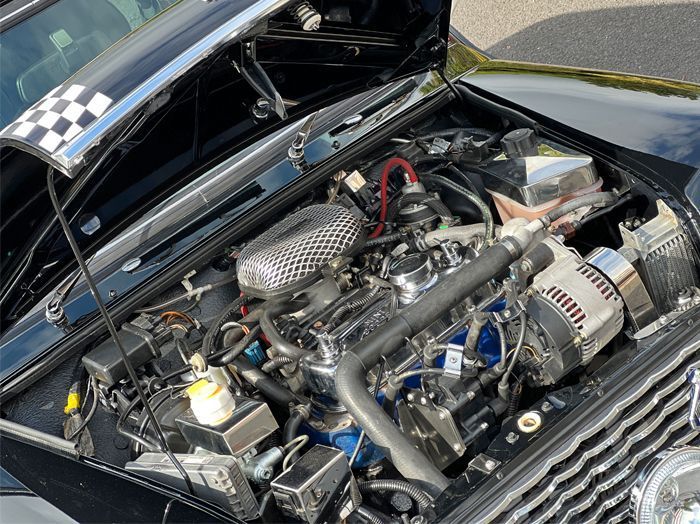
Mini Sport Performance Engines
Larger-capacity A-Series packages developed around matched bottom-end, camshaft and cylinder-head specifications.
Explore Big Bore EnginesMore Capacity Is Only Part Of The Story
A larger engine does not achieve its potential through capacity alone. The cylinder head, camshaft, compression ratio, induction, exhaust and final setup all need to suit the way the engine will be used.
Half Engine, Short Engine, Full Kit Or Built Engine?
Mini Sport performance engine packages have historically been available at different levels, allowing customers to choose between a prepared bottom end, a more complete kit or a professionally assembled engine.
The Bottom-End Foundation
Historically centred around the prepared block, crankshaft, conrods, pistons and bearings, giving experienced builders the main remanufactured bottom-end components.
More Of The Internal Build
Builds on the bottom-end package with additional engine components such as the camshaft, oil pump, timing components, followers and gasket set, depending on the current specification.
Add The Cylinder Head
The fuller package brings the cylinder-head specification into the build so that the top end and bottom end can be selected around the same performance objective.
Let Mini Sport Assemble It
For customers who want a complete finished engine, Mini Sport technicians assemble the selected components into the final power unit in the Engine Plant.
Check The Current Kit Specification
The exact contents of half, short, full and built engine packages can vary by engine capacity and current product specification. Always check the current Mini Sport listing or speak to the team before ordering.
Mini Sport Performance Cylinder Heads
The cylinder head is one of the most important decisions when moving from a standard remanufactured engine into a developed performance build.
A larger-capacity bottom end can only make full use of its potential if the cylinder head can support the airflow the engine requires.
Mini Sport has produced modified A-Series cylinder heads for decades, with specifications developed for road, fast-road, rally and higher-performance use.
Valve size, port work, compression ratio, valve springs and camshaft choice all influence the final character of the engine.
For that reason, the performance head should be chosen as part of the engine specification rather than simply added afterwards because it has the largest valves or highest stage number.
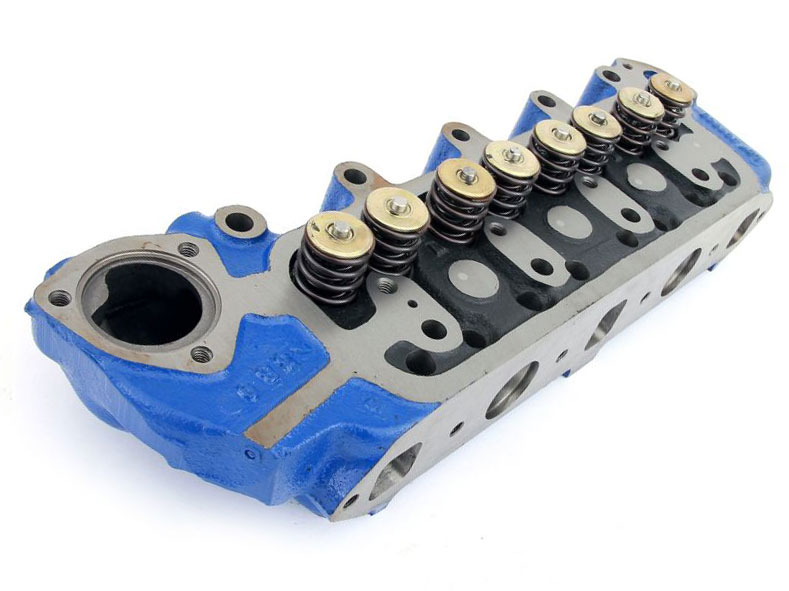
Performance Cylinder Heads
Road, fast-road and more developed specifications available to complement Mini Sport engine and tuning packages.
Explore Cylinder HeadsProven On The Road, Track And Stage
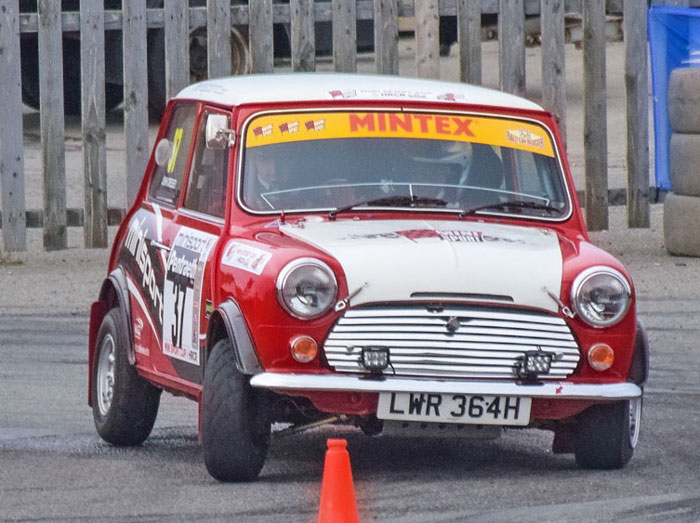
Mini Sport's performance engine programme has developed alongside decades of building and competing with Classic Minis.
Competition places greater demands on every part of an engine.
Bearings, crankshaft, lubrication, valve train, cooling and assembly quality all have to operate reliably while the engine is being worked much harder than it would be during normal road use.
That environment reinforces the same principles that matter in a road engine:
- Accurate machining.
- Correct clearances.
- Balanced components.
- Appropriate camshaft and cylinder-head specification.
- Reliable lubrication and cooling.
- Careful final assembly.
A road-going remanufactured Mini engine does not need to be a race engine, but it benefits from the same respect for correct engineering and complete-system thinking.
A Fresh Engine Deserves A Fresh Start
The work does not finish when the remanufactured engine leaves the Mini Sport Engine Plant. Correct installation, lubrication, cooling and initial running are essential to protect the new power unit.
Clean The Oil System
Make sure any reused oil cooler, hoses or associated lubrication components are clean and free from contamination left by the previous engine.
Check The Cooling System
Inspect the radiator, water pump, thermostat, hoses and cooling system before installing a fresh engine. An overheating problem should not be carried into the new build.
Inspect The Clutch
If the existing clutch is being retained, check its condition while access is straightforward. Complete Mini Sport power units can also be supplied with a new clutch assembly.
Use The Correct Oil
The Mini shares its lubricant between engine and gearbox, so use the oil specification recommended for the particular Mini Sport engine and power-unit application.
Prime Before Starting
The lubrication system must be correctly prepared so that oil pressure is established as part of the first-start procedure rather than allowing a fresh engine to run dry.
Follow The Running-In Advice
New piston rings, bores, bearings and other components need an appropriate bedding-in period. Follow the current Mini Sport instructions supplied with the engine.
Don't Carry Old Contamination Into A New Engine
If the previous engine suffered bearing failure or generated metallic debris, any retained oil-carrying components must be treated with particular care. A fresh engine should begin its life with a clean lubrication system.
Important Checks Around An Engine Installation
The exact settings vary across A-Series, A+, carburettor, SPi and MPi applications, so the correct factory or Mini Sport specification should always be used for the engine being fitted.
| Area | What To Confirm |
|---|---|
| Engine specification | Correct engine capacity, A-Series/A+ type, carburettor or injection application and compression specification. |
| Engine mounts | Inspect condition of mounts and fasteners before installing the fresh power unit. |
| Cooling system | Radiator, hoses, thermostat, water pump, fan and coolant condition. |
| Lubrication system | Correct oil, clean oilways and ancillary components, new filter and correct priming procedure. |
| Ignition / management | Correct timing and setup for carburettor applications, or appropriate SPi/MPi management components. |
| Fuel system | Carburettor or injection system must suit the engine specification and be free from leaks or contamination. |
| Valve clearances | Check against the exact camshaft and rocker specification fitted to the engine. |
| Gearbox | Check condition, operation and suitability before pairing an existing gearbox with a fresh engine. |
Technical Note
Classic Mini engine specifications vary considerably by year, capacity and previous modification. Do not apply one set of torque figures, clearances or ignition settings to every A-Series. Use the correct workshop data and the fitting information supplied with the specific Mini Sport engine or component.
Parts Worth Considering While The Engine Is Out
Engine removal gives access to components that are much harder to reach once the power unit is back in the car. It is the right time to inspect them properly.
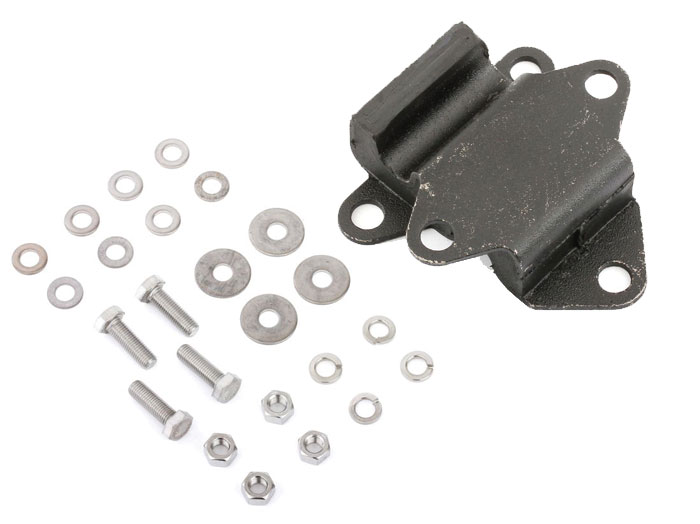
Engine Mounts
Worn or softened mounts allow excessive power-unit movement. Inspect and renew them while the engine bay is accessible.
Explore Engine Mounts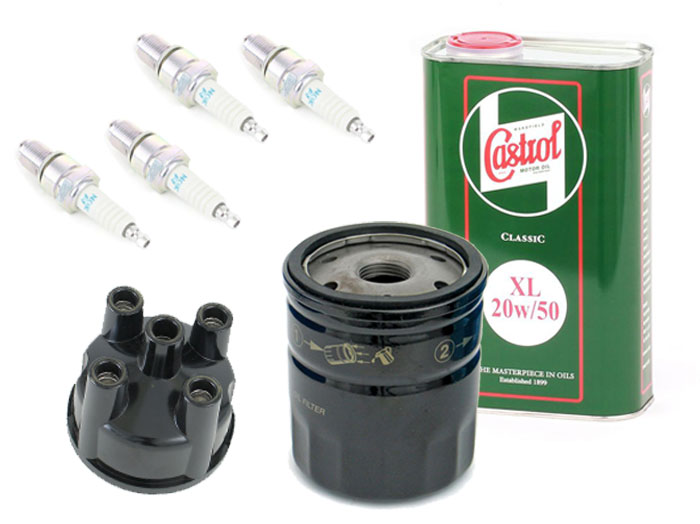
Service Parts
Filters, ignition components, cooling parts and other service items should support the condition of the fresh engine rather than carrying worn maintenance components into the installation.
Explore Engine Parts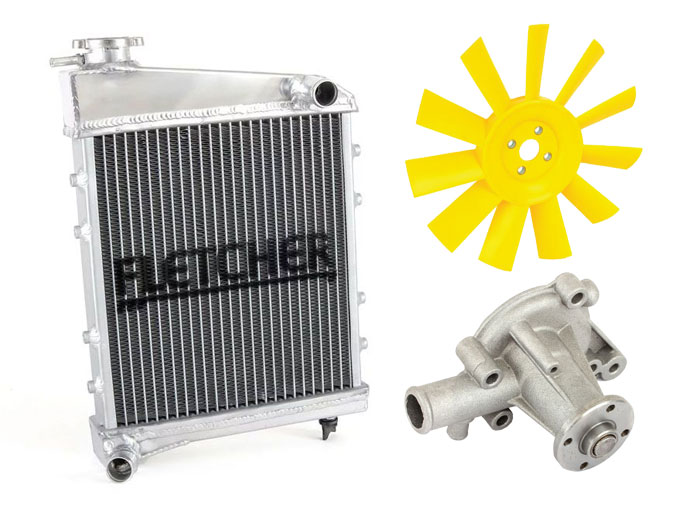
Cooling System
A fresh engine should not be installed behind a marginal radiator, failing water pump or deteriorated hoses. Use the rebuild as an opportunity to correct cooling weaknesses.
Explore Mini CoolingMini Engine Remanufacturing Explained
What is a Mini Sport remanufactured engine?
It is an A-Series power unit that has been stripped, cleaned, inspected and measured before the reusable major components are machined or restored as required and the engine is assembled using new components to the selected specification.
Is remanufacturing the same as repairing an engine?
No. A repair usually addresses a specific fault. Mini Sport remanufacturing considers the condition of the complete engine and includes inspection, measurement and specialist machining before final assembly.
What parts are replaced in a remanufactured engine?
The exact specification depends on the engine, but Mini Sport's documented process includes new wear components such as pistons and rings, bearings, thrust washers, timing components, oil pump, gaskets, oil seals and filter during final assembly.
Are the original block and crankshaft reused?
Suitable original components can be retained after cleaning, inspection, measurement and machining. Any component that does not meet the required condition or tolerance should not simply be reused.
Should I rebuild the gearbox at the same time?
Not automatically, but its condition should be assessed. Because the Mini engine and gearbox share the same oil, a heavily worn or contaminated gearbox deserves particular attention before it is paired with a fresh engine.
Why is there an exchange surcharge?
Remanufacturing depends on serviceable original cores being returned. The surcharge protects the supply of engines, gearboxes and cylinder heads that can be inspected and restored for future use.
Can Mini Sport rebuild my original Cooper S engine?
Rare Cooper S applications often require the customer's original unit because suitable exchange cores are limited. Contact Mini Sport before dismantling or exchanging a rare original engine so the correct process can be agreed.
Can I upgrade the engine while it is being remanufactured?
Yes. The rebuild stage is the ideal time to discuss capacity, compression ratio, camshaft, cylinder head and other performance changes because these choices can then be incorporated into the complete specification.
What is the difference between a 1293cc and 1400cc Mini engine?
Both are larger-capacity developments of the 1275cc A-Series. The 1400cc range takes capacity and overall engine specification further, while the 1293cc remains a well-established option for road and fast-road builds. The right choice depends on how the Mini will be used and the supporting specification.
What is the difference between a half, short, full and built engine?
These describe progressively more complete engine packages, from the main bottom-end components through to a full specification including the cylinder head and, finally, an engine assembled by Mini Sport technicians. Exact current kit contents should always be checked before ordering.
Does a remanufactured engine need running in?
A freshly remanufactured engine contains components and surfaces that need an appropriate bedding-in period. Follow the current running-in and service instructions supplied with the Mini Sport engine.
How do I know which engine is fitted to my Mini?
Do not rely only on the vehicle year or model badge. Engine swaps and previous conversions are common. Engine numbers, photographs, carburettor or injection type and other details can help Mini Sport identify the correct specification.
Speak To The Mini Sport Engine Experts
An engine rebuild is one of the biggest mechanical decisions you can make for a Classic Mini. Getting the specification right before the work begins can save time, cost and compromise later.
Tell Us About Your Mini
Let us know the engine size and type, carburettor or injection system, current symptoms, gearbox condition and any known modifications or previous rebuild work.
Also tell us what you want from the finished car. A standard restoration, everyday road Mini, fast-road build and competition engine all require different priorities.
Mini Sport Technical Sales Team
Telephone: +44 (0) 1282 778731
Email: sales@minisport.com
We can help you understand whether you need a cylinder head, remanufactured engine, complete engine-and-gearbox power unit or a more developed Mini Sport performance engine.
Rebuild The Heart Of Your Mini Properly
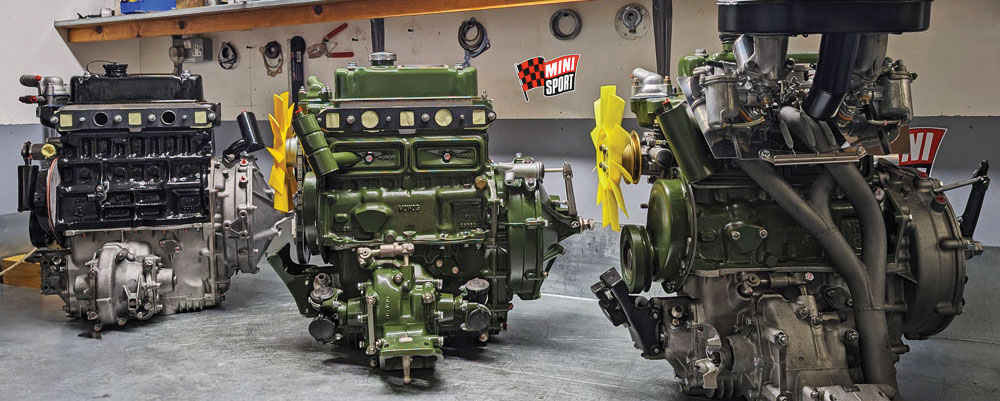
A remanufactured engine is more than a collection of new parts. It is the result of stripping, cleaning, inspection, measurement, specialist machining and careful assembly working together.
Whether you want to restore a 998cc road engine, preserve an original Cooper S unit, rebuild the complete engine and gearbox or move into a 1293cc or 1400cc performance specification, Mini Sport can help you choose a route that suits the car and the way you want to drive it.
Preserve the Mini. Restore the confidence. Build it for the road ahead.