


A Family Mini, Reborn
Bought new in 1990, driven by the same family for more than three decades and even part of a wedding story. This Cherry Red Mini 30 came to Mini Sport with one very important brief: preserve the Mini the McNamara family remembered.
Some Minis Mean More Than Their Specification
Some Minis are special because of their rarity, specification or place in the history of the marque. Others become special because of the life that happens around them.
For the McNamara family, this Cherry Red Mini 30 is very much the latter.
The car was purchased new in 1990 by a father for his wife and has remained within the same family ever since.
In 2001 it was passed to their son. From then on, the Mini became his main everyday car and was used regularly for almost 25 years. It wasn't hidden away as a collector's piece. It was driven in all weathers, used for everyday journeys, family occasions and many of the moments that gradually turn a car into part of a family's history.
One of those moments was particularly memorable: after their wedding, the son and his wife went away in the Mini.
More Than A Restoration
By the time the Mini arrived at Mini Sport, the project wasn't simply about restoring a thirty-year-old car. It was about preserving something that had been part of the same family since new.
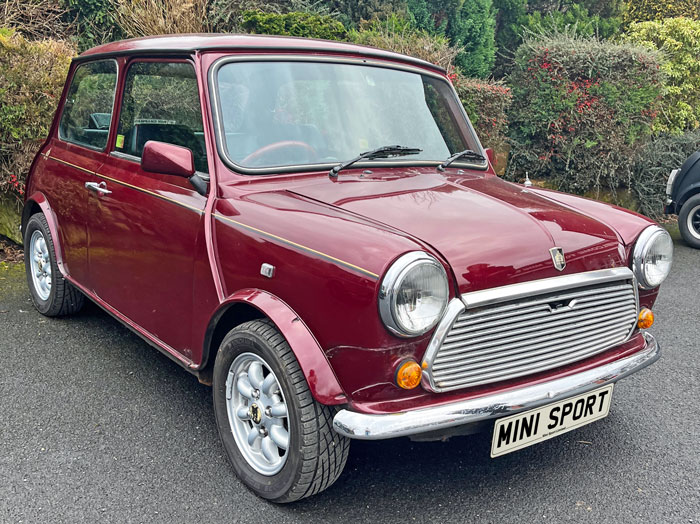
A Mini That Had Been Used And Loved
The McNamara family are long-standing Mini enthusiasts and also own other Minis, including one of the final 500 cars produced. But this Mini 30 carried its own history.
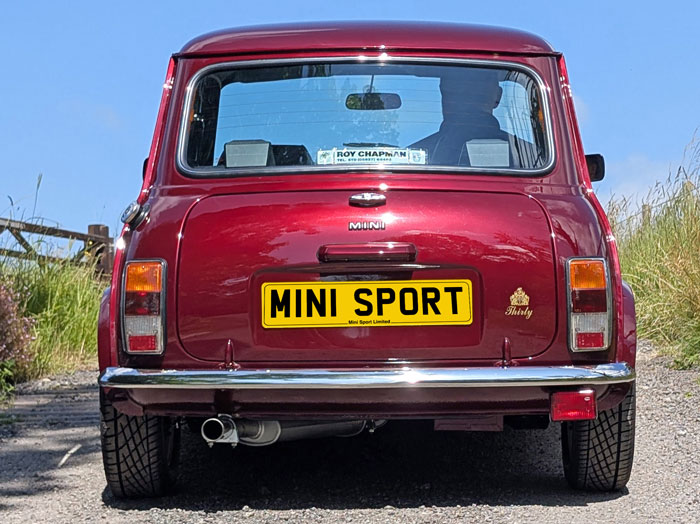
Despite decades of regular use, the car had remained remarkably faithful to its original character. The only notable addition was a GB badge fitted to the rear.
That level of originality would become one of the most important considerations in deciding how the restoration should progress.
Preserve, Rather Than Reinvent
There are countless directions a Classic Mini restoration can take. This one needed to remain recognisably the car the family had known for decades.
A Mini can be upgraded, personalised, transformed into a fast-road build or rebuilt around an entirely new specification.
This project required something different.
The brief was to preserve and highlight the car's originality, returning it as closely as practical to its original Mini 30 character rather than modernising it unnecessarily.
That principle guided the bodywork, paint, engine, interior, wheels, trim and the countless smaller decisions made throughout the restoration.
One Question Guided The Project
Does this keep the Mini true to itself?
The Restoration Begins
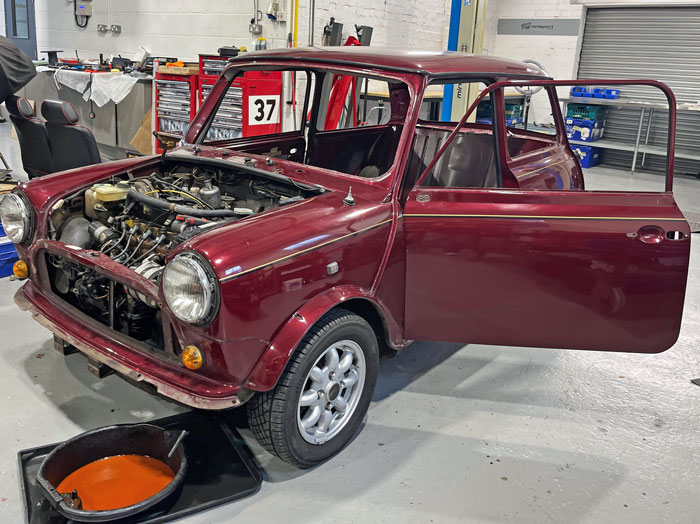
Before a Mini can be rebuilt properly, it first has to come apart.
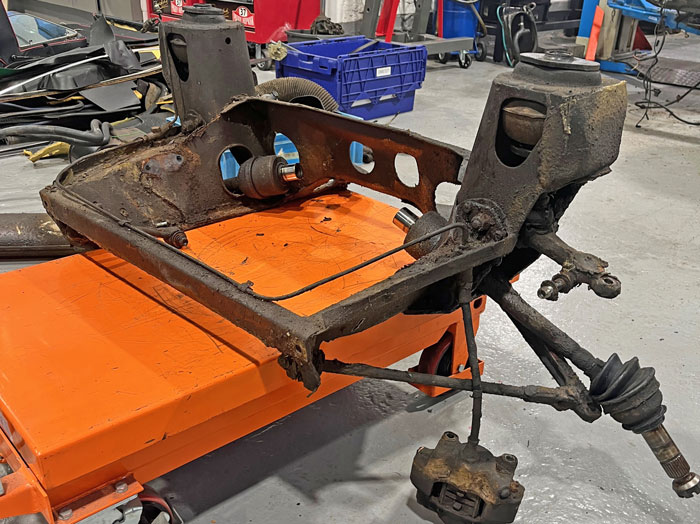
The original car was carefully stripped at Mini Sport, allowing the team to assess its components and decide what could be restored, retained or replaced.
For an originality-led restoration, this stage is particularly important. Simply replacing everything with new components can remove some of the physical connection with the car's past.
Wherever appropriate, original parts that could be sympathetically restored were retained for the finished car.
Starting Again With The Structure
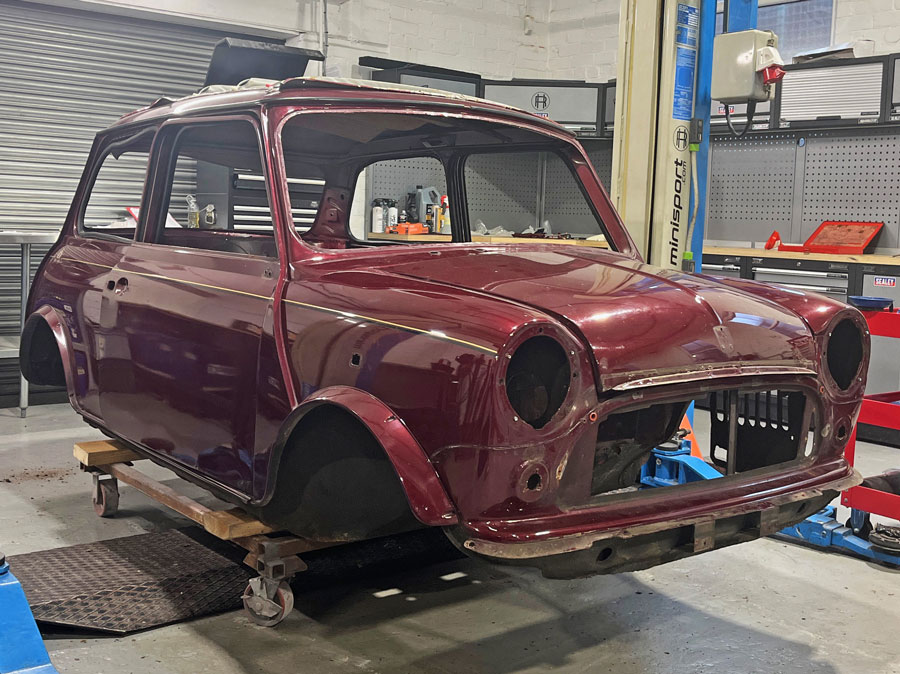
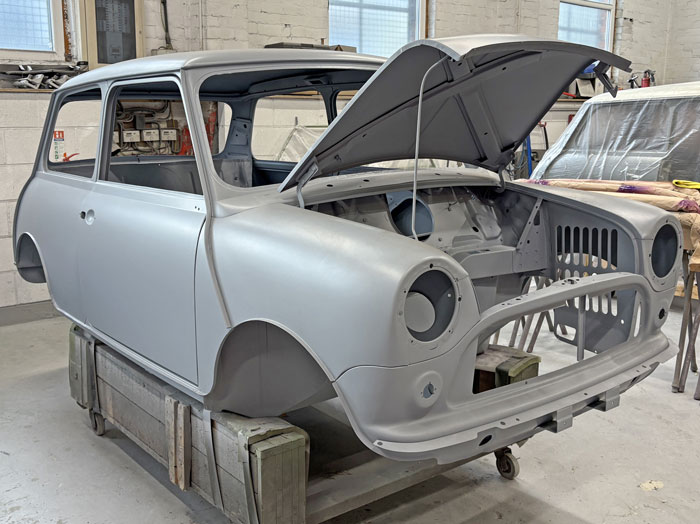
At the centre of the project was a replacement Mini Mk IV bodyshell.
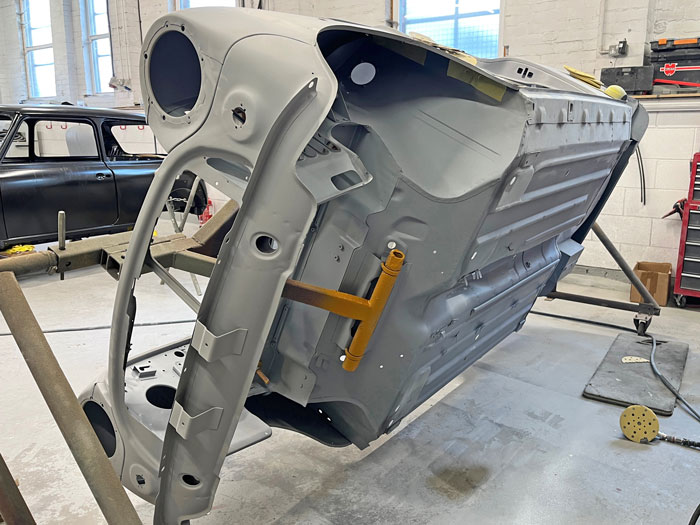
A sound shell provides the foundation for everything that follows in a restoration.
Panel fit, doors, glass, subframes, suspension, trim and the quality of the finished paintwork all depend on the preparation carried out at this stage.
The shell therefore entered the Mini Sport bodyshop for thorough preparation before the car's familiar Cherry Red colour was reapplied.
Cherry Red Returns
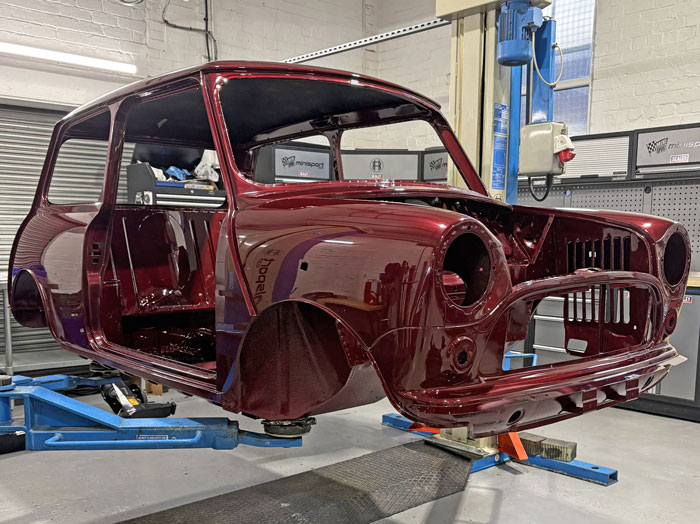
For this restoration, changing the colour was never really part of the conversation. Cherry Red belonged to the car's identity.
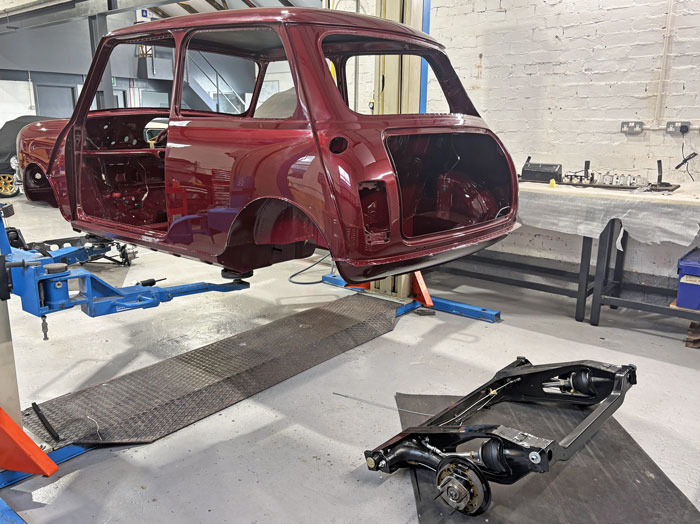
The prepared shell moved through Mini Sport's paint process before the mechanical rebuild began.
The objective was not to use restoration as an opportunity to reinvent the Mini. The satisfaction came from seeing the familiar car gradually return.
Rebuilding The Foundations
The restoration extended far beyond the surfaces visible in the finished photographs.
The Mini was rebuilt using fully assembled front and rear subframes, with steering, suspension, braking and associated systems renewed or restored as required.
The project's parts record runs into well over one hundred individual items, ranging from major assemblies to the seals, clips, grommets, fittings and hardware required to put the car together correctly.
These are the less glamorous stages of a restoration, but they are often what determine whether a finished Mini merely looks restored or feels properly rebuilt.
Understanding The Systems Beneath The Car
A complete restoration brings together many of the systems covered throughout Mini Sport's technical Mini Knowledge guides.
Mini Suspension
Understand how the Mini's suspension works, what wears and where careful setup can transform the way a Classic Mini feels.
Read The Suspension GuideMini Brakes
Explore the braking systems used across the Classic Mini and the components that keep them operating correctly.
Read The Brake GuideSteering & Geometry
Discover how steering condition and geometry influence stability, response and confidence behind the wheel.
Explore SteeringReconditioning The Engine
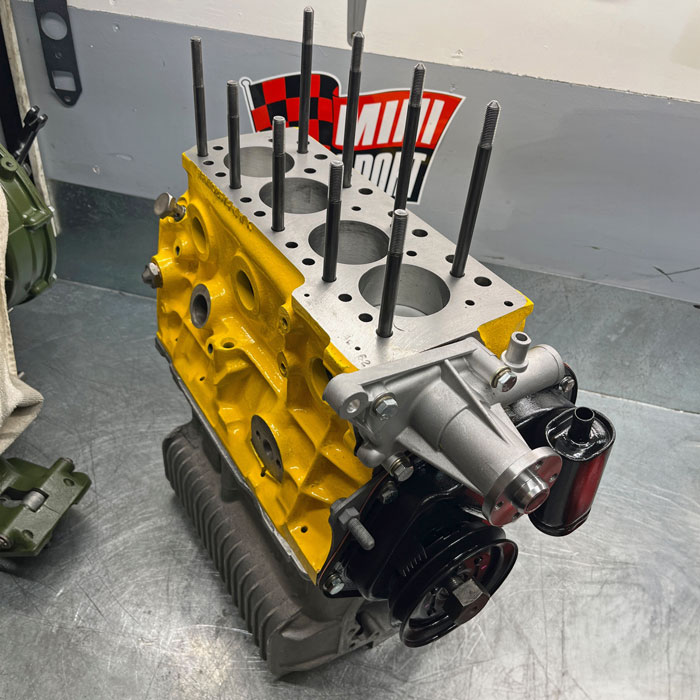
While the bodyshell was being restored, attention turned to the Mini's engine.
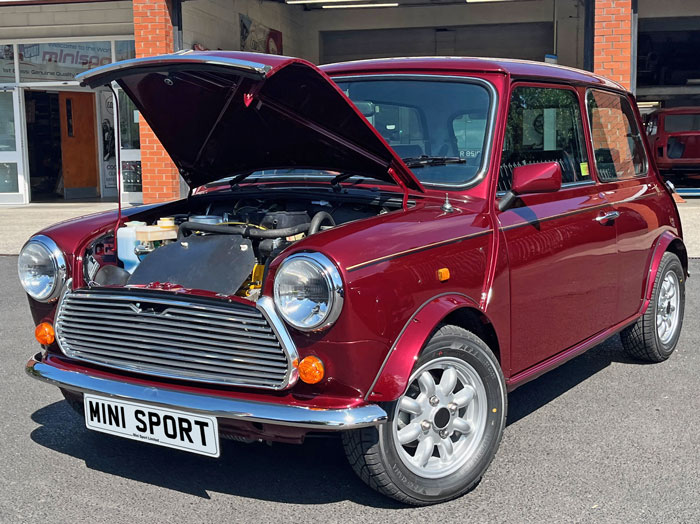
In keeping with the philosophy of the overall project, the engine was reconditioned to factory specification.
The objective wasn't simply to chase more power. It was to preserve the character appropriate to an original-specification Mini 30.
Once rebuilt, the power unit could be reunited with the car as the restoration progressed towards mechanical completion.
Factory-Specification Character
For this Mini, the right engine specification was the one that supported the character and purpose of the restoration rather than changing it.
From Painted Shell To Complete Mini
With the major structural and mechanical work completed, the project moved into one of its most satisfying stages: bringing everything back together.
The rebuilt engine was installed, followed by the electrical, cooling, fuel, braking, clutch and control systems needed to turn the restored shell back into a functioning Mini.
Exterior fittings, glass, seals, lighting, grille, brightwork, cables and dozens of smaller components were then progressively added.
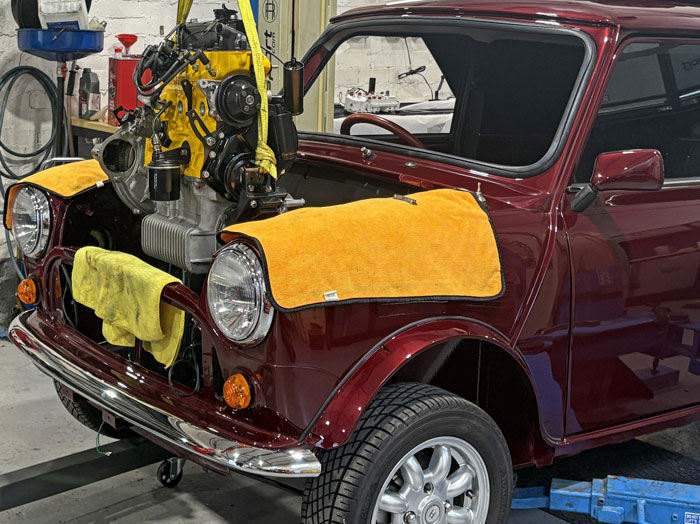
Engine Installation
The reconditioned power unit returns to the restored shell.
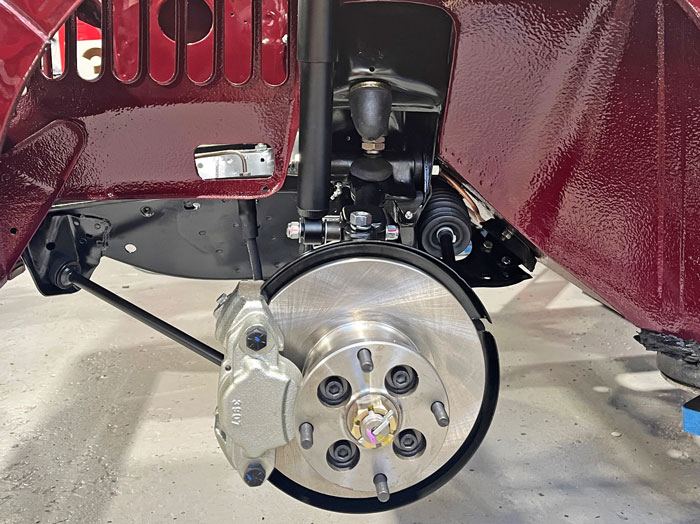
Mechanical Assembly
Steering, braking, suspension, hydraulics and supporting systems are brought together.
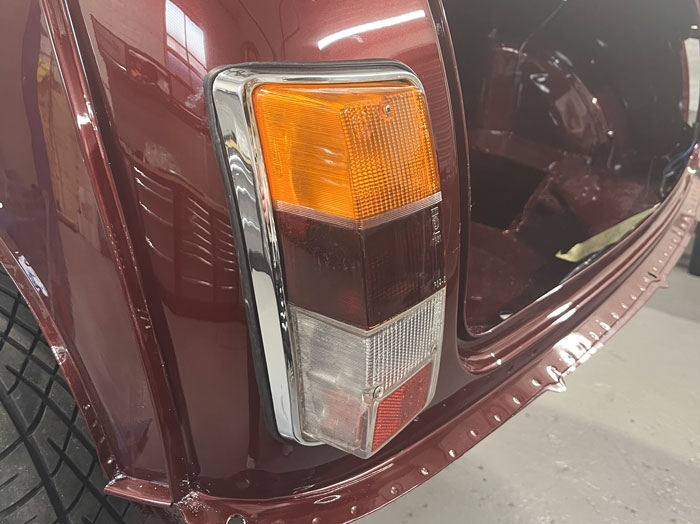
Finishing Details
The correct fittings and exterior details help return the Mini to its familiar appearance.
Restoration Doesn't Always Mean Replacement
Two decisions made during the project perhaps explain the philosophy of this Mini better than anything else: its original wheels and original interior went back into the finished car.
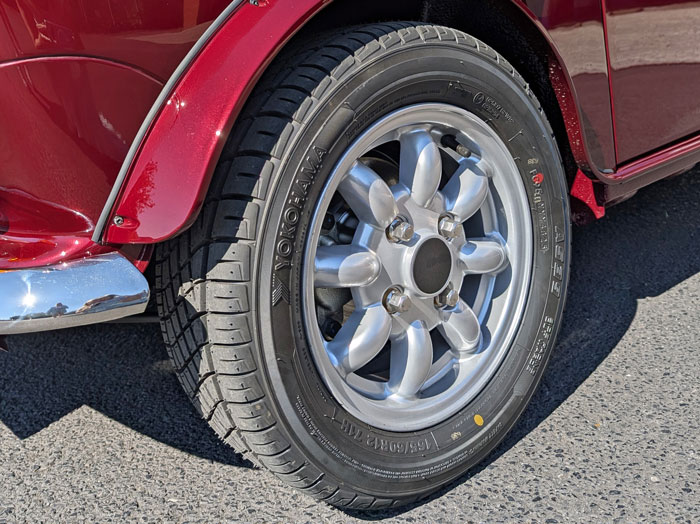
Restored, Not Replaced
Rather than substituting a different wheel design, the customer's original Mini 30 wheels were refurbished and returned to the car.
They are a relatively small part of the overall restoration, but retaining details like these helps keep a physical connection between the restored car and the Mini the family remembers.
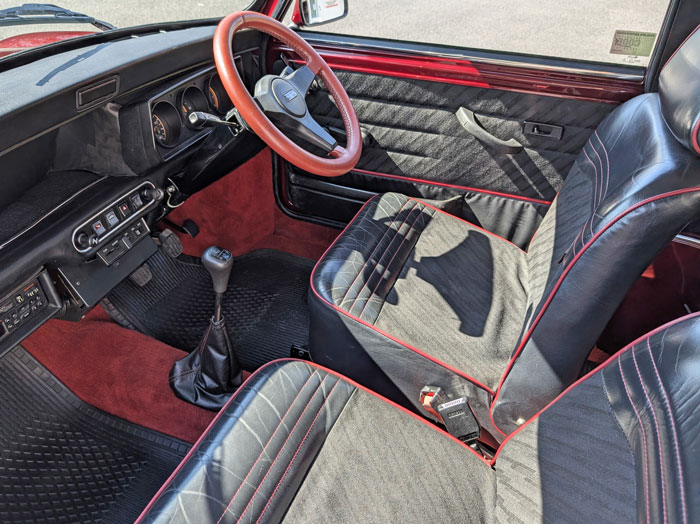
The Interior That Knew The Family
The original interior was cleaned, sympathetically restored where required and refitted rather than simply being replaced.
These are the seats and fittings that formed part of the family's experience of the car. Preserving them keeps something new components could never recreate.
The Restoration Principle
Sometimes the harder and more meaningful restoration decision is not deciding what should be replaced. It is recognising what deserves to be saved.
Making It Look Like Their Mini Again
As assembly progressed, attention increasingly moved towards the details that give the car its particular identity.
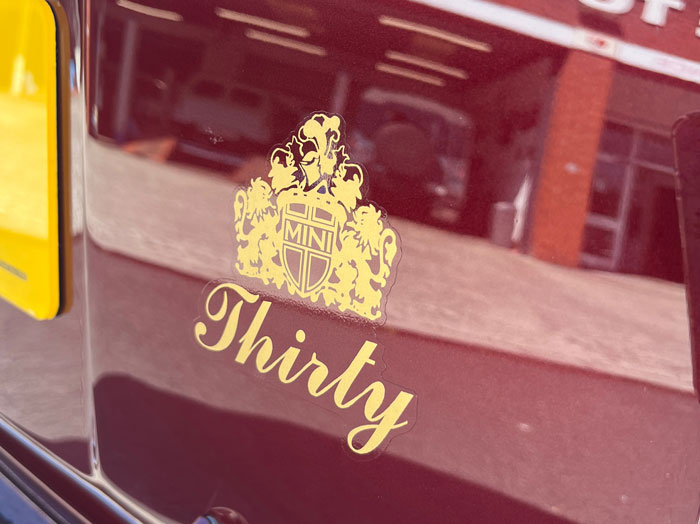
The restoration included the correct Mini 30 decal set for a red car, alongside the appropriate grille, brightwork, lighting, seals and exterior fittings.
Individually, a decal, trim piece or rubber seal can appear insignificant.
Together, those details determine whether the finished Mini feels authentic.
Bringing Everything Together
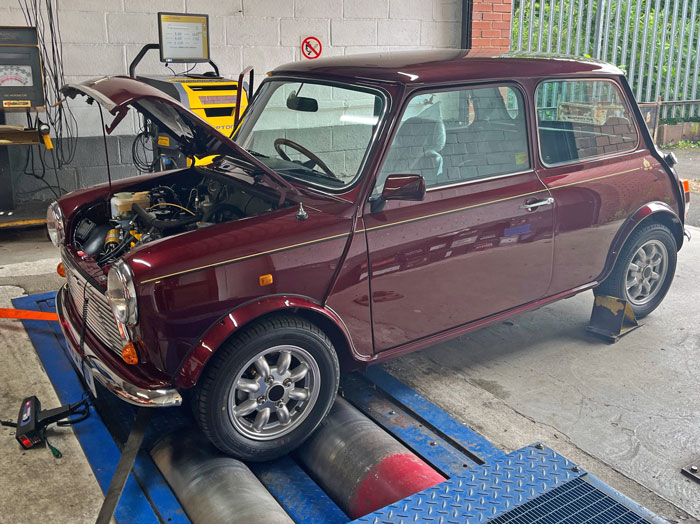
Completion doesn't simply happen when the final piece of trim is fitted.
Once assembled, the car needed to be checked and tested as one complete system.
Final preparation included rolling-road work before the Mini was considered ready to return home.
This stage allows the workshop to assess the complete car rather than viewing the engine, brakes, suspension, steering and other systems only as individual parts of the build.
The Mini They Remembered
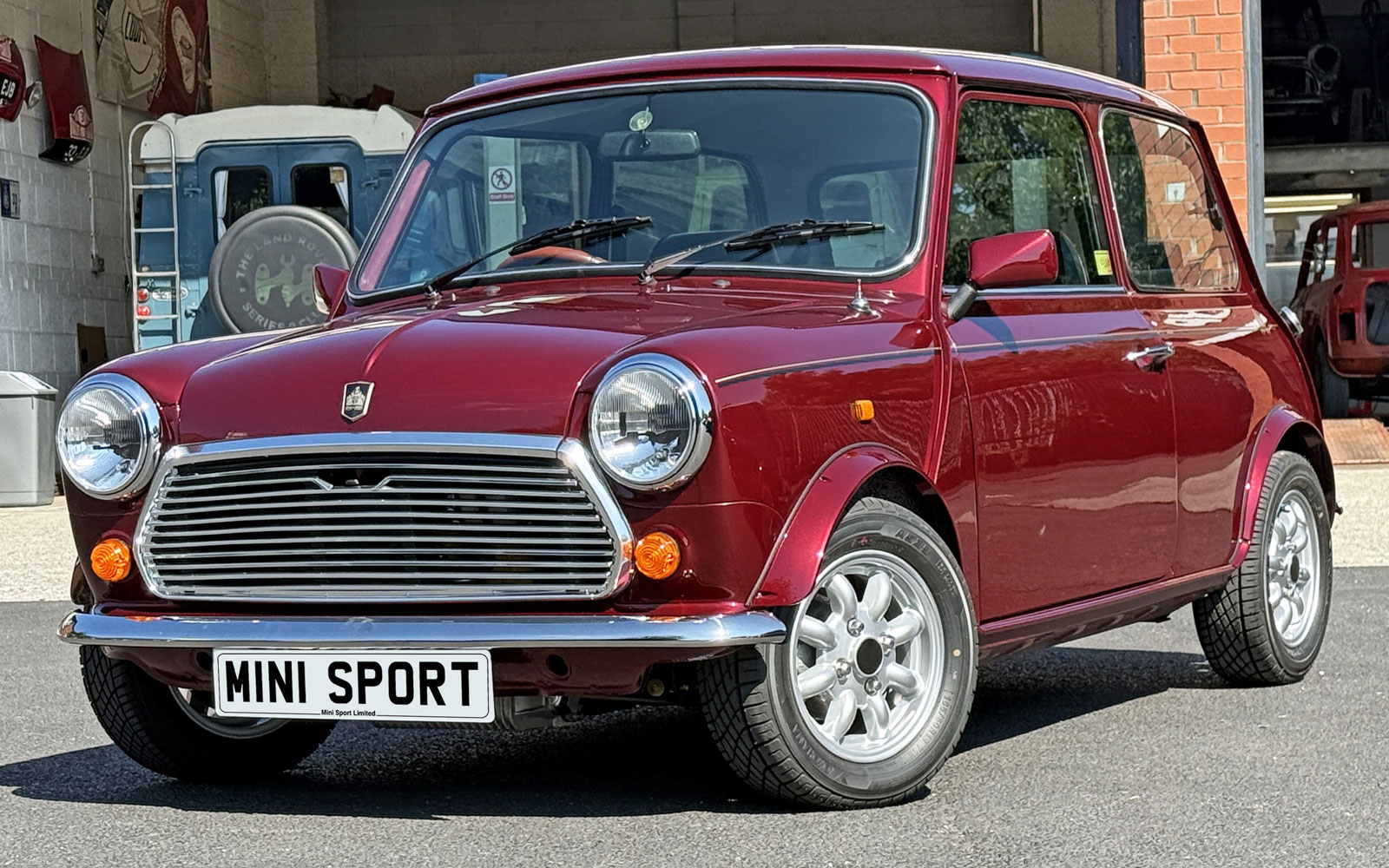
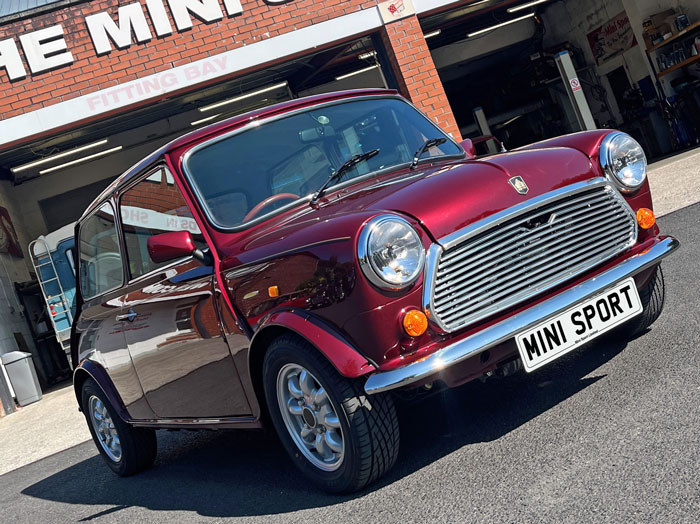
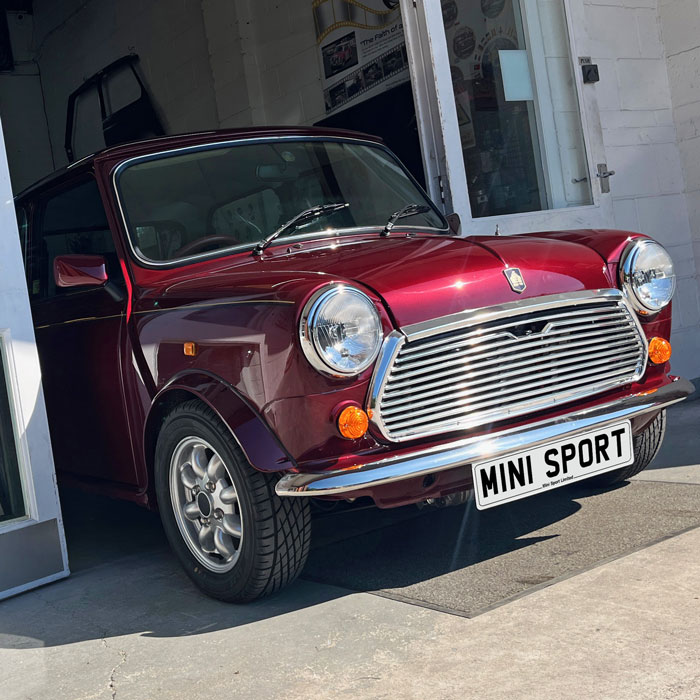
The finished car is striking precisely because it hasn't been transformed into something it was never intended to be.
Cherry Red paint. The familiar Mini 30 appearance. Original wheels. Original interior. Original character.
That was the objective from the beginning.
The restoration wasn't about erasing the previous three decades. It was about ensuring those decades were not the end of the story.
Back To Its Best
A Permanent Record Of The Restoration
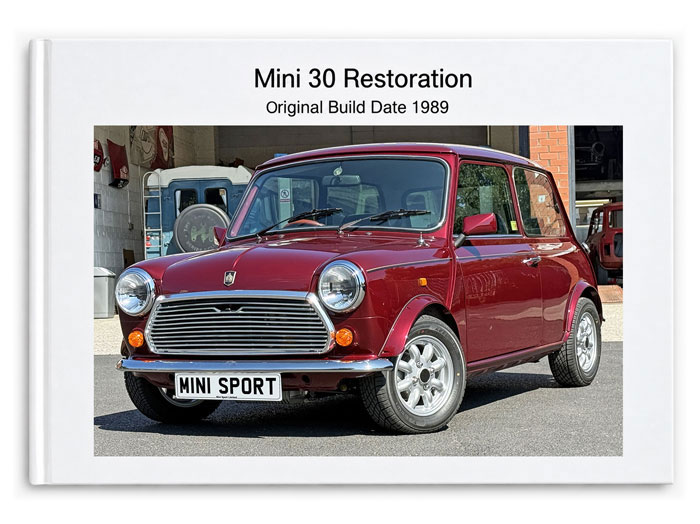
For projects of this scale, Mini Sport creates a dedicated restoration book documenting the car's journey from beginning to end.
For the McNamara Mini 30, the family received more than the completed car.
The photographic record follows the restoration through strip-down, shell preparation, paint, mechanical work, rebuilding and final completion.
It creates a permanent record of what now sits beneath the Cherry Red paintwork and of the work involved in bringing the car back.
Back With The Family
Eventually came the moment every restoration is working towards.
After arriving at Mini Sport carrying more than three decades of family history, the Mini returned to the McNamara family rebuilt and ready for its next chapter.
The father who originally bought it for his wife in 1990.
The son who received it in 2001 and made it his everyday car.
The Mini that became part of family occasions and even their wedding story.
And now, the same Mini preserved for the future.
McNamara Mini 30 Restoration
| Car | Mini 30 |
|---|---|
| Purchased | New by the McNamara family in 1990 |
| Colour | Cherry Red |
| Restoration Philosophy | Original-specification restoration with emphasis on preserving the character and history of the family car |
| Bodyshell | Replacement Mini Mk IV bodyshell prepared and painted by Mini Sport |
| Engine | Reconditioned to factory specification |
| Interior | Original interior cleaned and refitted |
| Wheels | Original customer wheels refurbished and reused |
| Exterior | Restored to Mini 30 appearance with correct red-car decal set |
| Mini Sport Services | Original car strip-down, bodyshell preparation, paint, engine reconditioning, mechanical rebuild, interior restoration, assembly, setup, testing, finishing and delivery |
| Status | Completed and returned to the McNamara family |
Selected Components Used In The Restoration
A restoration of this scale involves hundreds of individual decisions. These are some of the key components used during the Mini 30 project.
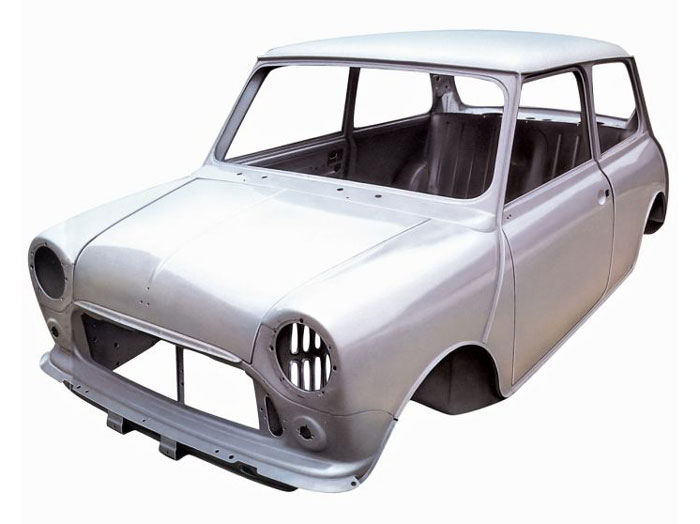
Mini Mk IV Bodyshell
The structural foundation used for the restoration.
View Mini Bodyshells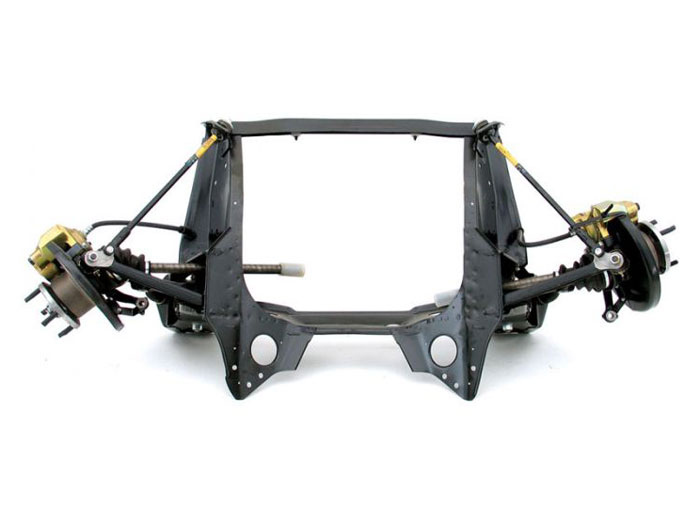
Fully Assembled Front Subframe
A complete front assembly forming part of the car's mechanical rebuild.
Explore Front Subframes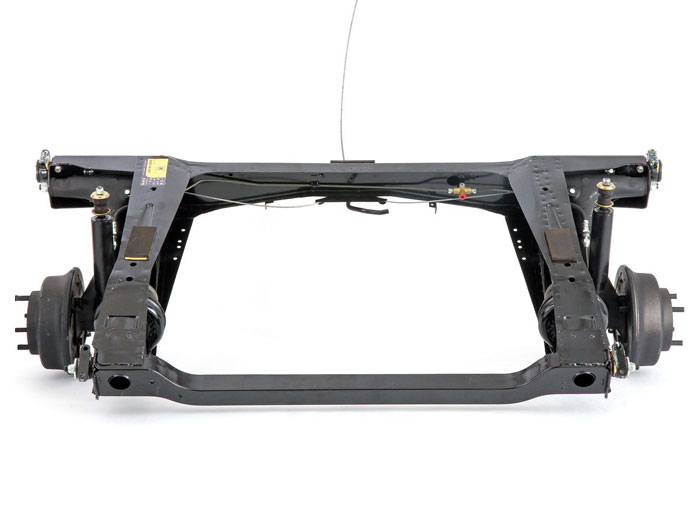
Fully Assembled Rear Subframe
The restored shell was paired with a fully assembled rear subframe as part of the complete rebuild.
Explore Rear SubframesOne Project. Many Disciplines.
A complete Mini restoration brings together far more than bodywork and paint.
Bodyshell preparation, paint, engine work, suspension, brakes, steering, electrical systems, interior restoration, assembly, setup and testing all have to work together.
Mini Sport's workshop experience sits alongside the parts, engineering and technical knowledge required to understand the Mini as a complete car.
For the McNamara Mini 30, all of those disciplines were brought together around one central objective:
Preserve The Mini That Mattered To The Family
We didn't restore it to make it a different Mini. We restored it so it could remain their Mini.
More From Mini Knowledge
Technical Cornerstone Articles
Explore detailed guides covering the systems, components and engineering behind the Classic Mini.
Explore Technical GuidesMore Mini Sport Projects
Discover more restorations, new builds, special projects and the stories behind the Minis that come through our workshops.
View More BuildsPlanning Your Own Mini?
From individual workshop jobs to complete restorations, talk to Mini Sport about what you want to achieve with your car.
Explore Mini Sport Services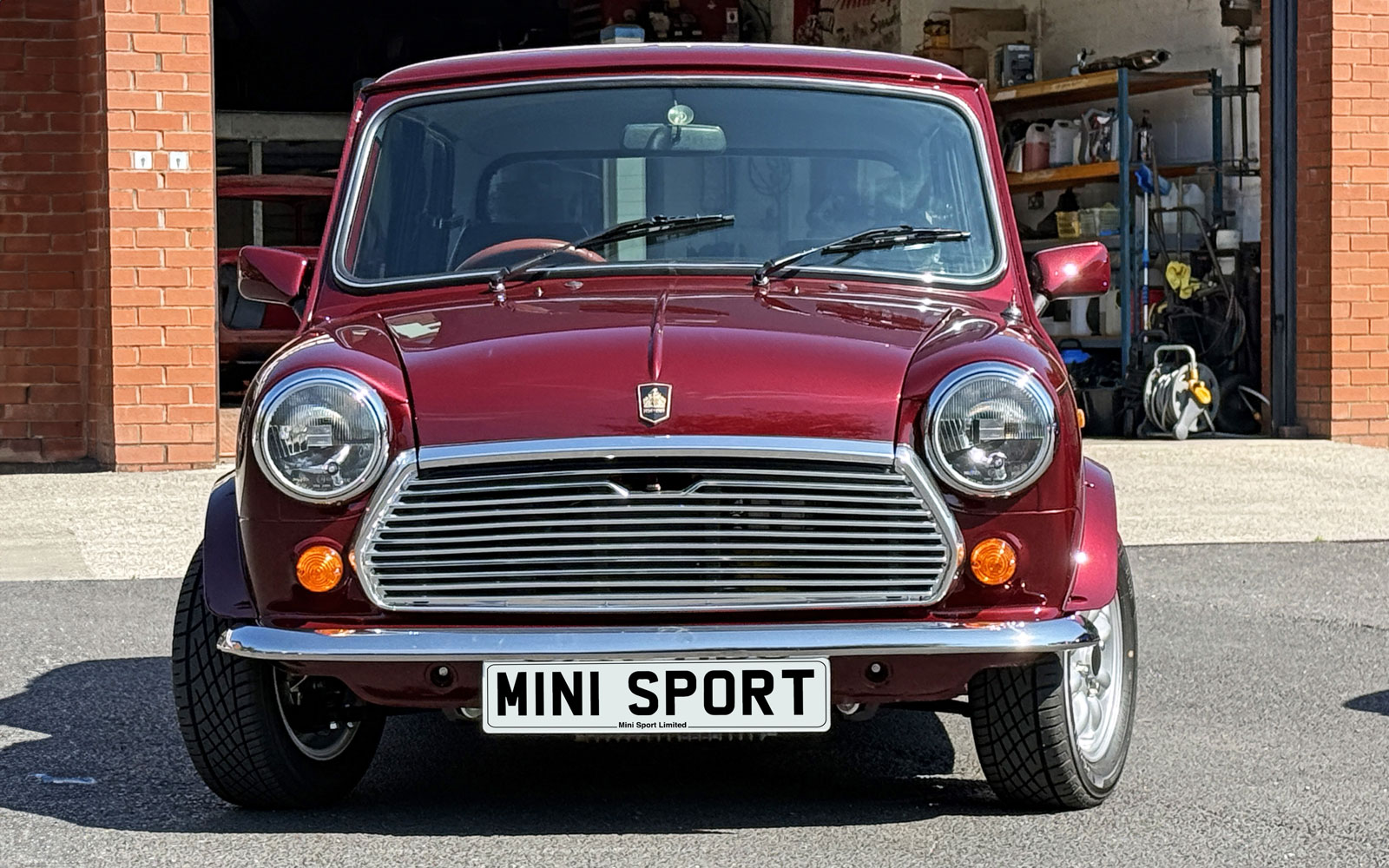
Thinking About Restoring Your Mini?
Whether you want to preserve an original family Mini, rebuild a car you've owned for decades or create something entirely new, speak to Mini Sport about your project.